
Springfield carries a genuinely different character than Jacksonville’s river-adjacent historic districts, a walkable, densely built neighborhood sitting just north of the urban core that’s been going through a real, tangible renaissance over the past decade after decades of prior disinvestment and neglect. A homeowner’s practical guide to selling fast in Springfield genuinely needs to account for that ongoing transition, since the neighborhood’s overall trajectory, and which specific blocks have already turned the corner versus which are still genuinely catching up, matters enormously to how quickly and for how much a house here actually sells today.
Springfield’s Historic Character and Recent Revival
Home to some of Jacksonville’s oldest surviving residential architecture anywhere in the city, ornate Victorian and Queen Anne style homes dating all the way back to the late 1800s and early 1900s, Springfield fell into serious, prolonged decline through the mid-to-late twentieth century before a dedicated wave of preservation-minded buyers and investors began carefully restoring individual houses block by block starting back in the 1990s and accelerating meaningfully in more recent years.
This genuinely uneven revival means the neighborhood varies more block to block than almost anywhere else in all of Jacksonville. A fully restored Victorian can sit two streets from a home still needing significant structural work, and buyers researching Springfield specifically need to understand which micro-block they’re actually looking at rather than treating the neighborhood as a single uniform market.
Why Buyers Are Drawn Here Specifically
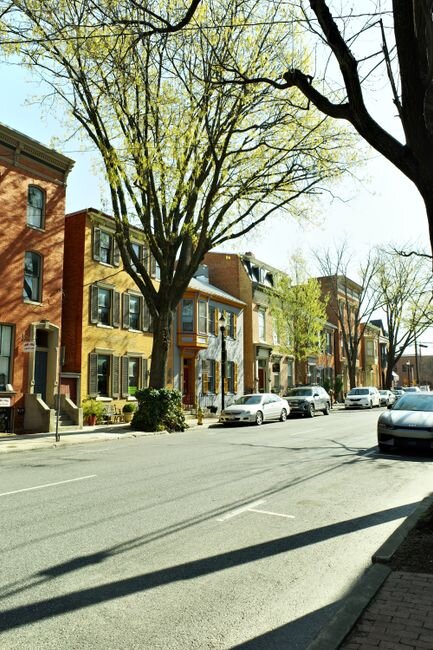
Genuine architectural character that simply doesn’t exist anywhere in the newer parts of the city, close proximity to the urban core, and prices that still remain considerably more accessible than fully gentrified historic districts elsewhere all draw a specific type of buyer to Springfield, often renovators and investors comfortable with a project, alongside a growing number of buyers simply looking for character and location at a more approachable price point than Jacksonville’s more prestigious river-adjacent historic districts currently command.
What Actually Sells Fast Here
Homes that have already been through a quality renovation, carefully preserving original architectural details while thoroughly updating systems, tend to move quickly and draw genuinely serious buyer interest, since they offer the neighborhood’s distinctive character without requiring the buyer to take on the project themselves. Homes needing work still sell, but to a narrower, more patient buyer pool willing to take on renovation, and pricing realistically for that smaller pool matters more here than in a more uniformly updated neighborhood.
The Investment Angle That Shapes This Market
Springfield has attracted meaningful investor interest specifically because of its combination of historic character and relative affordability compared to other close-in Jacksonville neighborhoods. This investor presence means cash offers and quick closings are genuinely common transaction types here, not an unusual exception, which can work in a seller’s favor if speed and certainty matter more than squeezing out the highest possible number from a slower traditional sale.
Renovation and rental investors specifically watch Springfield closely for exactly this reason, since the combination of below-replacement-cost pricing on older homes and steadily improving neighborhood fundamentals creates the kind of opportunity that’s harder to find in already fully gentrified historic districts elsewhere in the city.
Proximity to the Urban Core and Emerging Amenities
Springfield’s location just north of Jacksonville’s urban core means residents are a short drive or bike ride from a growing collection of restaurants, breweries, and cultural venues, an amenity package that continues to expand as the surrounding urban core keeps developing. This proximity is a genuine, ongoing selling point that becomes more valuable, not less, as nearby investment continues.
Historic District Considerations
Portions of Springfield fall under historic district designation, meaning exterior renovations may require review and approval before work begins, similar to the process in other historic districts across the city. This can add a step and a timeline consideration for any buyer planning renovations, and sellers who understand their specific property’s historic status can address buyer questions about this more confidently and credibly during negotiations.
Checking your property’s exact historic designation status before listing, rather than assuming based on the general neighborhood reputation, avoids giving a buyer inaccurate information that could unravel trust partway through a transaction once they do their own independent research.
Checking Real Numbers for Your Specific Block
Given just how much Springfield genuinely varies from block to block, citywide or even broad neighborhood-wide averages tell you remarkably little about your own specific street or block. The Duval County Property Appraiser lets you pull recent sales and assessed values by address, a genuinely essential check in a neighborhood this variable before assuming any general number applies to your house.
Selling As-Is in a Transitional Neighborhood
If your Springfield house needs work you don’t have the time, money, or interest to invest before selling, we buy houses in Springfield Jacksonville as they sit, understanding both the neighborhood’s genuine upside potential and the real cost of bringing an older home up to current condition. No repairs, no commissions, no waiting on historic district approval before you can close.
We factor the neighborhood’s ongoing revitalization directly into how we evaluate a property, recognizing that a Springfield house isn’t just being priced against its current condition alone, but against a trajectory that’s genuinely trending upward across the neighborhood as a whole.
This matters especially for inherited Springfield properties, where family living elsewhere doesn’t want to manage a renovation project in a neighborhood still actively in transition, or for owners who bought years ago and simply don’t have the capital to finish what previous plans for the house may have included.
It’s also a common situation for landlords who purchased in Springfield early in its revival, before the neighborhood fully turned the corner, and are now ready to cash out rather than continue managing a rental in a neighborhood that’s changed significantly since they first bought in.
Springfield’s Preservation Community
An active neighborhood association and preservation-minded residents have driven much of Springfield’s turnaround, hosting historic home tours and advocating for continued investment in the area’s architectural stock. That community energy is worth knowing about, both as context for the neighborhood’s trajectory and as a genuine resource if you’re researching your own house’s specific history before selling. The National Association of Realtors tracks broader neighborhood revitalization trends that mirror what’s happened in Springfield over the past two decades.
Want a Real Number for Your Springfield House?
We understand this neighborhood’s specific dynamics, block by block, and we’ll factor that directly into a fair, honest cash offer, no obligation attached. Springfield deserves a buyer who genuinely understands its trajectory, not a generic citywide number that ignores what makes this neighborhood specifically worth paying attention to right now.