
One missed mortgage payment feels manageable. Two or three missed payments start to feel like the beginning of something much harder to climb back out of. Behind on mortgage payments in Jacksonville, here’s what to do first, matters because the actions you take in these early weeks genuinely shape what happens next, and acting quickly and deliberately keeps far more real options available than waiting quietly and hoping the situation somehow resolves itself on its own.
Step One: Understand Exactly Where You Stand
Pull your most recent mortgage statement and calculate precisely how far behind you are, in dollars and in number of missed payments. This sounds obvious, but plenty of homeowners genuinely avoid looking closely at the actual number out of stress, which only makes the eventual reckoning considerably harder later. Knowing the exact figure, not a rough guess, is the foundation for every decision that follows.
It’s also worth pulling your loan’s specific terms, whether you have an escrow account for taxes and insurance, what late fees have accrued, and whether your loan is backed by a specific program, FHA, VA, conventional, since each carries different rules around hardship assistance and foreclosure timelines. This information shapes which options are actually available to you, and having it organized before your first call to the servicer makes that conversation considerably more productive.
Step Two: Call Your Servicer Before They Call You
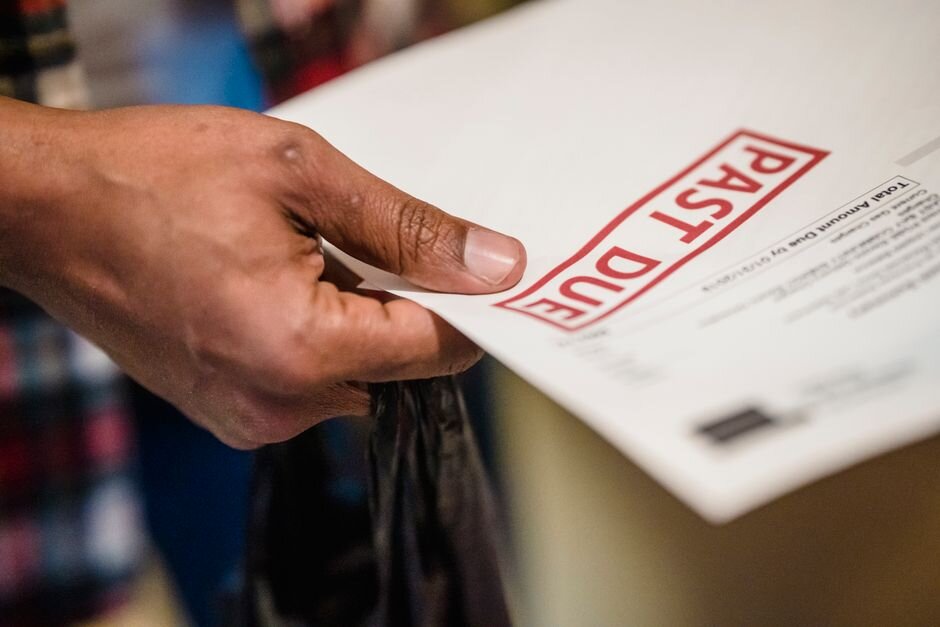
Contacting your mortgage servicer proactively, rather than waiting for their calls and letters to escalate, generally puts you in a stronger position. Servicers have hardship programs, forbearance options, and repayment plans specifically designed for temporary financial setbacks, and being the one to initiate that conversation signals you’re taking the situation seriously rather than avoiding it. Ask directly what options exist for your specific loan type and situation. The Consumer Financial Protection Bureau’s mortgage help guide walks through exactly what to expect from this conversation and what questions are worth asking your servicer directly.
Step Three: Get a Clear Picture of Why This Happened
Job loss, a medical emergency, divorce, or simply a temporary cash flow gap all lead to missed payments, but the right next step depends heavily on whether the underlying cause is temporary or ongoing. A short-term setback might genuinely be resolved with a repayment plan or forbearance. An ongoing change in income, a permanent job loss, a long-term medical situation, might mean the house itself, not just the missed payments, needs to be part of the conversation.
Being honest with yourself about which category actually applies is harder than it sounds, especially early on when there’s still hope a temporary setback resolves itself. Giving yourself a realistic, specific timeline, if income hasn’t recovered within a defined window, treating the situation as ongoing rather than temporary, helps avoid the trap of continuing to hope for a few more months while the missed payment total quietly grows and options continue narrowing in the background.
Step Four: Explore Every Option, Not Just the Obvious One
Loan modification, forbearance, repayment plans, and refinancing all exist as potential paths back to current status, and each has different qualification requirements and long-term implications. If none of these genuinely fit your situation, or if you’ve concluded that keeping the house long-term isn’t realistic given your changed circumstances, selling, either traditionally or to a direct cash buyer, becomes a legitimate option worth evaluating honestly rather than a last resort to avoid mentioning.
Loan modification specifically restructures your loan terms permanently, sometimes lowering the interest rate or extending the term to reduce your monthly payment going forward. Forbearance instead pauses or reduces payments temporarily, with the missed amount typically due later through a repayment plan or added to the loan’s end. Understanding which of these actually addresses your specific situation, rather than applying for whichever option your servicer mentions first, matters considerably for your long-term financial position.
Why Acting in the First 30 to 60 Days Matters So Much
Every option gets narrower the longer payments stay missed. Servicers are generally more flexible before a formal notice of default gets filed, and a house you’re still current enough on to sell traditionally, if you have equity, gives you considerably more control than waiting until foreclosure proceedings are already underway. This isn’t about panicking, it’s about clearly recognizing that early, deliberate action preserves real choices that simply disappear the longer the situation goes unaddressed and unresolved.
Selling as a Legitimate Path, Not a Failure
If you’ve decided keeping the house isn’t realistic, selling while you’re still ahead of formal foreclosure proceedings protects your equity and your credit considerably better than waiting until the process has progressed further. House Buyer Joe buys houses in Jacksonville directly, closing in as little as seven days when a situation genuinely calls for it, giving homeowners behind on payments a real, fast option that doesn’t depend on a traditional buyer’s financing timeline working out in time.
This is especially valuable if you’re behind enough that a traditional listing’s typical 60-to-90-day timeline genuinely risks running past whatever runway you actually have left before the situation progresses further.
What to Avoid During This Period
Avoid companies promising to “save your home” for an upfront fee before doing any actual work, a common scam targeting homeowners behind on payments. Legitimate housing counselors, including HUD-approved ones, offer this guidance for free. Also avoid ignoring calls and letters entirely, even when it feels easier in the moment, since silence generally accelerates rather than delays the formal foreclosure process, and it forfeits the goodwill a proactive homeowner often gets from a servicer willing to work through options together.
A Necessary Disclaimer
Every loan and situation carries its own specific terms and facts, and this isn’t legal or financial advice. The Consumer Financial Protection Bureau’s housing counselor directory connects you with free, HUD-approved guidance specific to your situation, and a foreclosure attorney should review your specific case before you commit to any single path forward.
How Josiah Approaches These Conversations
Josiah’s worked with plenty of Jacksonville homeowners in exactly this position, understanding that being behind on a mortgage carries real stress and, for many people, real shame that makes the situation harder to address openly. The goal is always a straightforward, judgment-free conversation about your actual options, not a sales pitch layered on top of an already difficult moment.
Need to Talk Through Your Options?
Whatever stage you’re currently at, reach out to House Buyer Joe for a straightforward, no-obligation conversation about what a cash sale could genuinely look like while you still have real choices available to you.