
Utility bills feel like the small, background expense until suddenly they’re not, and falling behind on electric or water can spiral fast when it’s stacked right on top of everything else a tight household budget already has to cover. If you’re behind on utility bills and seriously considering selling your house fast in Jacksonville, you genuinely have more options available than the stress of overdue notices might suggest, and none of them require the house to be in perfect, move-in-ready shape first.
Why Utility Debt Often Signals a Bigger Problem
Falling behind on a light bill or water bill is rarely an isolated issue. It’s usually a symptom of a broader cash flow problem, reduced income, rising costs elsewhere, an emergency that drained savings, that’s also likely affecting the mortgage, property taxes, and basic maintenance. Treating the utility bill in isolation misses the larger picture that actually needs addressing.
Recognizing this pattern early matters, because a household juggling utility debt today is often just a few months from also falling behind on the mortgage if the underlying financial pressure doesn’t ease up. Addressing the bigger picture proactively tends to produce better outcomes than treating each bill as a separate emergency as it comes due.
Assistance Options Worth Knowing About First
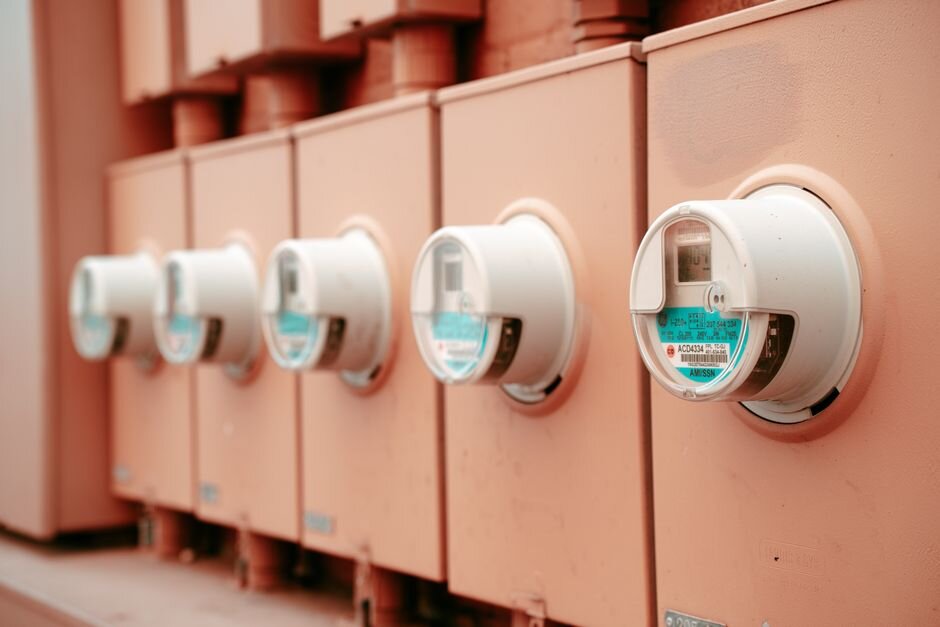
Before considering anything drastic, it’s worth knowing that real assistance exists. Florida’s Low-Income Home Energy Assistance Program helps eligible households cover heating and cooling costs and prevent service interruption, with crisis assistance available year-round for households facing imminent shutoff.
Local utility providers also frequently have their own hardship programs, payment plans, and temporary assistance funds that don’t show up unless you specifically ask about them. A quick call to your provider’s customer service line, explaining the situation honestly, sometimes resolves more than people expect before any drastic step becomes necessary.
When It’s More Than Just the Utilities
If utility debt is one symptom among several, mortgage payments also getting tight, credit card balances climbing, savings already gone, the house itself might be part of what’s actually generating the financial strain rather than just an asset sitting there unaffected by it. Home equity that’s been building for years can be the fastest, most substantial way to actually resolve the underlying pressure rather than continuing to patch individual bills as they come due.
Why a Traditional Sale Can Feel Out of Reach
If money’s already genuinely tight, the idea of fronting cash for pre-listing repairs or staging can feel completely impossible, and understandably so given everything else already competing for that same limited money. A traditional sale often assumes the seller has some financial cushion to invest before the house ever hits the market, which is exactly the cushion that’s usually missing in a situation like this one.
How a Direct Cash Sale Removes That Barrier
Selling as-is means no repairs, no staging, and no upfront costs of any kind before closing. Whatever shape the house is in right now, deferred maintenance included, is the shape it gets sold in. There’s also no waiting on a financed buyer’s underwriting timeline, which matters when the goal is resolving financial pressure as quickly as realistically possible rather than adding another months-long process on top of an already stressful situation.
Because House Buyer Joe buys directly with our own funds, we can typically close in two to four weeks once you accept an offer, sometimes faster if your situation genuinely requires it, giving you real cash in hand considerably sooner than a traditional listing ever could.
What Happens to Utility Accounts When You Sell
Outstanding utility balances tied to the property generally need to be resolved as part of the sale, either paid off from proceeds at closing or settled directly with the provider beforehand. This is a manageable, routine part of any closing process, not a reason to assume selling isn’t possible just because bills are currently past due.
We handle this coordination directly as part of getting a deal to the closing table, working with the title company to make sure any outstanding balances tied to the property get resolved properly rather than leaving it as a loose end for you to untangle on your own after everything else is already settled.
What If the Mortgage Is Also Behind?
If mortgage payments are also slipping, that changes the urgency considerably compared to utility debt alone. Reaching out to your mortgage servicer about hardship options before you’re seriously delinquent is worth doing immediately, since servicers are generally far more willing to work with homeowners who reach out proactively than ones who go silent until a formal notice arrives. The Consumer Financial Protection Bureau’s guidance on mortgage hardship options is a useful, free starting point for understanding what’s realistically available.
A free HUD-approved housing counselor can also help you look at the entire financial picture at once, mortgage, utilities, and other debts together, rather than treating each one as its own isolated crisis to solve in a vacuum.
There’s No Shame in This Situation
Financial strain happens to careful, responsible people constantly, job losses, medical bills, inflation outpacing income, none of it reflects poorly on you as a person. The goal here is simply finding the most practical way forward, not judging how the situation came about in the first place.
Josiah’s talked with plenty of Jacksonville homeowners in exactly this spot, and the conversation never starts with judgment about how bills got behind. It starts with understanding where things actually stand right now and what options genuinely make sense from there, whether that’s a cash sale, a payment plan with a utility provider, or some combination of both working together.
How Fast Does Utility Debt Actually Escalate?
Most providers allow a grace period and multiple notices before service is actually disconnected, but once a shutoff happens, restoring service often requires paying the full past-due balance plus a reconnection fee, sometimes all at once. That combination can turn a manageable overdue balance into a genuinely difficult lump sum practically overnight, which is exactly why addressing the situation before disconnection, rather than after, makes such a meaningful difference.
Reconnection fees and deposit requirements after a shutoff vary by provider, but they consistently make the total cost of falling behind considerably higher than the original overdue amount ever was on its own.
Ready to See a Real Number?
Getting a straightforward cash offer costs nothing and gives you an actual figure to weigh against your current situation. Sometimes that clarity alone makes the next step obvious in a way that guessing under stress never could, and there’s real relief in simply knowing where you actually stand.