
San Marco carries a genuinely different feel from Jacksonville’s other historic neighborhoods, more polished and deliberately planned than organically grown over time, and that intentional design shapes what buyers expect and what sellers should understand clearly before pricing a house here. Cash home buyers in San Marco Jacksonville see a wide range of properties, from Mediterranean Revival showpieces near the square to smaller bungalows on quieter side streets, and each type sells a little differently.
The Neighborhood’s Distinctive Design History
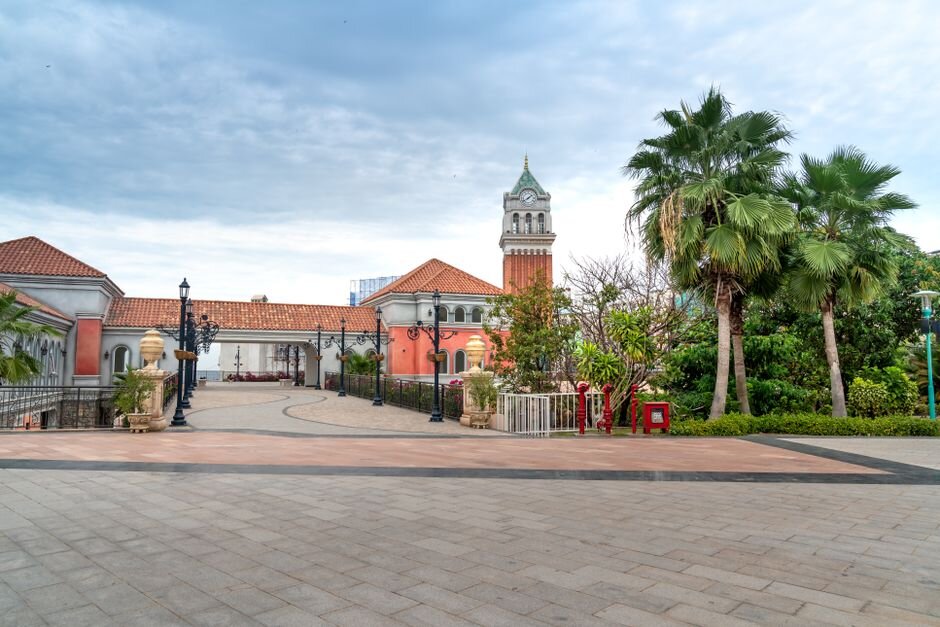
Developer Telfair Stockton began building San Marco in 1925 as a Mediterranean-inspired community reflecting the City Beautiful movement, with winding streets, planted medians, and San Marco Square itself modeled after Venice’s Piazza San Marco. That intentional, planned character is still central to what makes the neighborhood distinctive and desirable today, decades after the original development first took shape.
By late 1926, San Marco Square had already become the development’s business district, and the fountain at its center has served as the neighborhood’s visual anchor ever since, the kind of landmark that shows up in real estate listing photos precisely because it signals so clearly what buyers are actually paying for when they choose this address over another one nearby.
Because the design was so deliberate from the outset, San Marco reads as more cohesive than neighborhoods that grew more organically over time, and buyers researching the area often mention this consistency as part of the appeal, even before they’ve seen a single house in person.
What Drives Value Here
Proximity to San Marco Square, with its shops, restaurants, and the historic Balis Park nearby, commands a genuine premium, similar to how walkability drives value in Riverside and Avondale. Architectural style matters too. Mediterranean Revival and Colonial Revival homes with original details intact tend to draw more interest than heavily altered properties that have lost their original character over the decades.
Lot size and privacy also factor in more here than in some other historic districts, since San Marco’s planned layout included more variation in lot dimensions than a typical uniform subdivision, meaning two houses on the same street can carry meaningfully different values based on setback and yard space alone.
The San Marco Preservation Society’s Role
Founded in 1985 after residents rallied to restore the aging fountain in San Marco Square, the San Marco Preservation Society has spent decades protecting the neighborhood’s architectural and historical character. That sustained community investment is a real factor in why property values here have held up well over time.
Buyers researching the neighborhood frequently come across the Preservation Society’s work, and it tends to reinforce confidence that the character drawing them to San Marco in the first place isn’t going anywhere anytime soon.
Older Homes, Familiar Tradeoffs
Like Jacksonville’s other historic districts, San Marco’s housing stock mostly dates from the 1920s through the 1940s, meaning original plumbing, aging electrical systems, and settled foundations show up regularly across a large share of the neighborhood’s homes. Buyers split into the same two camps seen elsewhere: those willing to take on a project for the character, and those who want the character with the updates already handled, paying accordingly for the difference.
Flood Zones and Proximity to the River
San Marco’s location along the St. Johns River means flood zone designation plays a bigger role in value and insurability here than in neighborhoods further inland, similar to the dynamic in Riverside. Properties closer to the water often carry higher insurance premiums, and some financed buyers walk away entirely once they see that number, regardless of how much they loved the house on the initial tour.
Sellers who know their flood zone designation ahead of time, and can speak to it confidently during a showing or a conversation with a buyer, tend to have a smoother process than those who get caught off guard by the question partway through negotiations.
What’s Actually Selling Right Now
Move-in-ready homes near the square with updated systems tend to move quickly and command strong prices, sometimes with multiple interested buyers. Larger historic properties needing significant work sit longer, waiting for a renovator with both the vision and the capital to take on a bigger project than a typical buyer wants.
Smaller homes on the neighborhood’s quieter interior streets, away from the square, often represent the better relative value for buyers priced out of the most walkable blocks but still wanting the San Marco address and school zoning that comes with it. That gap between the premium blocks and the quieter interior streets tends to widen whenever buyer demand runs hot, and narrow again whenever the broader market cools off.
San Marco vs. Riverside and Avondale
All three neighborhoods share historic housing stock and walkable commercial districts, but San Marco’s planned, cohesive design gives it a slightly different market feel than Riverside’s more eclectic streets or Avondale’s family-oriented residential character. None is objectively better, they simply attract buyers with somewhat different priorities, and understanding which micro-market your house actually competes in matters more than comparing it against a generic “historic Jacksonville” average.
Investors familiar with all three neighborhoods often note that San Marco commands a modest premium for its more manicured, planned feel, while Riverside and Avondale sometimes offer better value for buyers willing to take on a bit more character and a bit less polish.
Checking Real Numbers for Your Street
Citywide averages say little about a specific San Marco block. The Duval County Property Appraiser lets you pull recent sales and assessed values by address, a genuinely useful reality check before pricing conversations with anyone, cash buyer or listing agent alike.
Selling As-Is in San Marco
Whether your house is a fully restored showpiece or one that’s needed work for years, we buy houses in San Marco Jacksonville as they sit, historic character and deferred maintenance included. No repairs, no commissions, and no waiting on permitting or renovation timelines before you can close.
This matters especially for inherited San Marco properties, where family living elsewhere doesn’t want to manage a historic renovation project from a distance, or for owners who simply don’t have the capital to bring an older home up to the condition a traditional buyer here would expect.
Ready to See What Your San Marco House Is Worth?
We understand what actually makes this neighborhood different from the rest of Jacksonville, and we’ll factor that into a fair, honest cash offer, no obligation attached. San Marco’s character is part of what makes it valuable, and we take that seriously when putting together a number for your specific address, whether it’s a showpiece near the square or a quieter house a few streets back.