
Selling a manufactured home in Jacksonville often runs into a wall that has nothing to do with the house itself, the buyer’s financing. Financing challenges buyers face with manufactured homes in Jacksonville shrink the pool of qualified buyers considerably compared to a traditional site-built house, and understanding exactly why lenders treat these homes differently helps explain why a manufactured home can sit on the market far longer than its condition or price would otherwise predict.
I spent 11 years as a realtor before I ever bought a house directly, and manufactured home listings were consistently among the hardest to get financed, not because buyers weren’t interested, but because the lending options available to them were genuinely more limited and more particular about what they’d approve.
Chattel Loans vs. Real Property Mortgages
The core issue is how a manufactured home gets classified. If it’s titled as personal property rather than real property, meaning it’s not permanently affixed to a foundation on land the owner also owns, buyers typically need a chattel loan instead of a traditional mortgage. Chattel loans usually carry higher interest rates, shorter terms, and smaller loan amounts than conventional mortgages, which immediately narrows who can actually afford to buy.
Converting a manufactured home’s title from personal property to real property, sometimes called “de-titling,” can open up conventional and FHA financing options, but it requires the home to be permanently affixed to a foundation meeting specific engineering standards, and the process involves real paperwork, inspection, and sometimes cost. Plenty of sellers don’t realize their home’s titling status until a buyer’s loan application stalls over exactly this question.
Age and Condition Restrictions
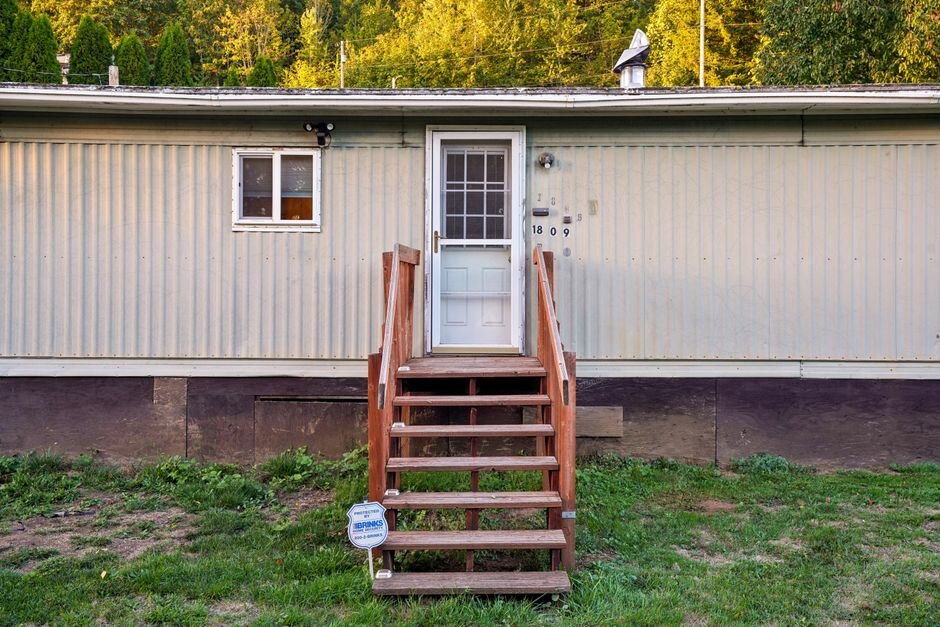
Many lenders won’t finance manufactured homes built before 1976, when HUD’s construction and safety standards took effect, and some lenders set their own cutoff even later than that, sometimes requiring homes built within the last 20 to 25 years. A manufactured home in genuinely good condition can still get rejected for financing purely on age, regardless of how well it’s been maintained.
Condition requirements go further than age alone. Many loan programs require the home to be on a permanent foundation, have the wheels, axles, and towing hitch removed, and pass an appraisal confirming it meets specific structural standards. A manufactured home that’s never had these modifications done, common for homes that were originally financed as personal property and never converted, faces this same financing wall regardless of the buyer’s own creditworthiness.
Land Ownership Complicates the Picture Further
A manufactured home on rented land, in a mobile home park or leased lot, is almost always financed as chattel property regardless of the home’s age or condition, since the buyer doesn’t own the land underneath it. This is one of the biggest financing gaps in this market, buyers interested in park-situated manufactured homes are working with a genuinely smaller set of lenders willing to finance a home without land ownership behind it.
Even when a manufactured home does sit on owned land, if that land carries a separate existing mortgage or lien not properly cleared and combined with the home’s financing, buyers can run into title complications that stall or kill a loan application at the underwriting stage, well after both parties assumed the deal was moving forward smoothly.
Why This Narrows the Buyer Pool So Significantly
Add up chattel-only financing, age cutoffs, foundation and condition requirements, and land ownership complications, and a meaningful share of interested buyers simply can’t get approved for the specific manufactured home they wanted to buy, regardless of their income or credit. Sellers often interpret slow interest as a pricing problem when it’s actually a financing eligibility problem, an entirely different issue requiring an entirely different fix.
This is exactly the kind of mismatch that turns a fair, honestly priced manufactured home into a listing that sits for months. A seller can lower the price repeatedly without solving the actual bottleneck, since the buyers who are genuinely interested may simply not qualify for financing at any price point without a cash purchase or a specialized loan program they don’t know exists.
Owner Financing as a Workaround
Some sellers offer owner financing specifically to route around these lending restrictions, allowing a buyer who can’t qualify for a chattel loan or conventional mortgage to make payments directly to the seller instead. This can genuinely widen the buyer pool, but it also shifts real risk onto the seller, who’s now acting as the lender and taking on the collection and default risk a bank would otherwise absorb.
Owner financing on a manufactured home deserves the same careful structuring as owner financing on any property, a properly drafted note, clear default terms, and ideally a real estate attorney reviewing the arrangement, rather than an informal handshake agreement that leaves the seller exposed if payments stop.
Specialized Lenders Exist, But They’re Harder to Find
A handful of lenders specialize specifically in manufactured and mobile home chattel loans, and they’re generally more willing to finance older homes or park-situated properties than a typical local bank or credit union would be. The tradeoff is availability and terms, these specialized lenders are fewer in number, often less familiar to buyers who assume any mortgage lender can handle a manufactured home the same way, and their rates tend to run noticeably higher than a conventional mortgage on a comparable site-built house.
Local credit unions occasionally offer more flexible manufactured home financing than large national banks, since they have more discretion over underwriting standards for members with an established relationship, but this varies enormously by institution and isn’t something a seller can count on for every prospective buyer. A buyer who gets rejected by one lender isn’t necessarily rejected everywhere, but finding the right lender for a specific manufactured home situation often takes real time and persistence that plenty of buyers simply don’t have the patience for, especially if they’re comparing that hassle against a site-built house down the street with normal financing available.
This is exactly why a listing can generate real interest, several buyers who genuinely want the home, without producing a closed sale. Each interested buyer may need to shop multiple lenders before finding one willing to finance that specific home’s age, titling status, and land situation, and plenty give up partway through rather than push through weeks of lender rejections on a single purchase.
What This Means If You’re Ready to Sell
House Buyer Joe buys manufactured homes in Jacksonville directly, whether they’re titled as personal property or real property, on owned land or in a park, without requiring the seller to sort out foundation conversions, title reclassification, or buyer financing eligibility first. Removing the financing question from the equation entirely is often the fastest path to an actual closed sale for exactly this kind of property.
Here’s an honest opinion worth stating plainly: a lot of manufactured home sellers spend months and real money trying to make their home “financeable” for a wider buyer pool, converting titles, adding foundations, when a direct cash sale would have closed the whole thing before that paperwork was even finished. That conversion work isn’t wasted for every seller, but it’s worth weighing against just how urgently you actually need to sell.
House Buyer Joe’s process doesn’t ask a seller to guess which buyers will actually qualify for financing, since there’s no buyer financing to qualify for in the first place. That single difference removes the entire chain of complications covered above, chattel loan eligibility, foundation and title status, park approval timelines, all at once, rather than solving them one at a time.
A Word on Manufactured Home Park Rules
If your manufactured home sits in a park, check the park’s own rules about buyer approval and lot lease transfer before assuming financing is the only hurdle. Some parks require prospective buyers to be approved by park management directly, adding another layer of qualification on top of whatever lender requirements already apply, and a buyer who clears financing can still get held up here if nobody checked this step early.
Where to Learn More
The HUD manufactured housing standards page explains the construction and safety code that determines age eligibility for many financing programs, and the Consumer Financial Protection Bureau’s manufactured housing resources cover chattel loan terms and buyer protections worth understanding on either side of this kind of transaction.
Josiah’s Take on This Market
I’ve bought and sold enough manufactured homes at this point to know the financing maze is the real obstacle far more often than the home itself, and I’d rather explain that clearly than let a seller assume something’s wrong with their property when the actual issue is a lending gap that has nothing to do with condition or price. It’s a little like troubleshooting a car that won’t start and finding out it’s not the engine at all, just a dead battery nobody thought to check first.
Ready to Skip the Financing Maze Entirely?
Reach out for a straightforward cash offer on your manufactured home, no title conversion, no foundation work, and no waiting on a buyer’s loan to clear underwriting.