
Mandarin stretches along the St. Johns River in southern Jacksonville, a genuinely family-oriented area known for good schools, established residential subdivisions, and a slower pace than the city’s more urban core neighborhoods. If you’re looking for house buyer Joe we buy houses in Mandarin, understanding what actually makes this area tick helps you get a fair, accurate offer that reflects the neighborhood’s real character rather than a generic citywide estimate.
Mandarin’s Long, Genuinely Historic Roots
Named after the mandarin orange groves once cultivated throughout the area, Mandarin has one of the longest continuous settlement histories in the entire Jacksonville region, predating much of the city’s urban core by decades. Harriet Beecher Stowe, author of Uncle Tom’s Cabin, wintered here in the 1800s, and that historical depth still shows up today in pockets of older, established homes mixed among the area’s more modern residential development.
This layered history means Mandarin genuinely isn’t a uniform, single-era subdivision the way some newer Jacksonville suburbs are. Older river-adjacent homes sit within a few miles of 1980s and 1990s subdivisions, which in turn sit near even newer construction, giving the area a genuinely wide range of housing stock, ages, and price points all under the same neighborhood name.
The Mandarin Museum and the historic St. Joseph’s Church still anchor the area’s sense of its own history today, physical reminders that this was a genuine community long before Jacksonville’s suburban growth reached this far south along the river. That depth of history is part of what gives Mandarin a different character than newer planned communities elsewhere in Duval County, even though most of today’s housing stock postdates that earlier settlement period by well over a century.
Why Families Specifically Choose Mandarin
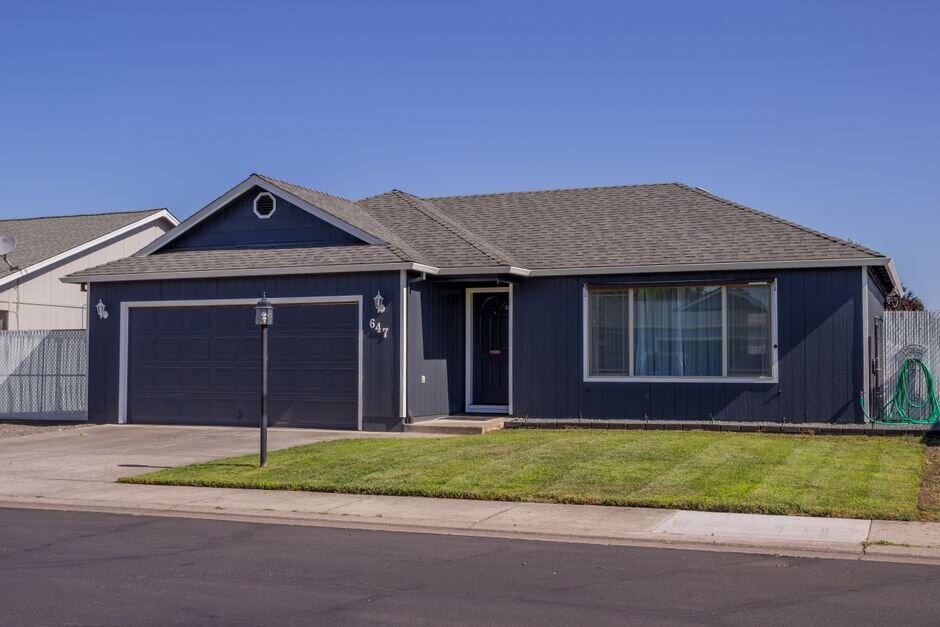
Strong schools consistently rank as the top reason families specifically target Mandarin over other parts of Jacksonville, and that reputation has held steady for decades rather than being a recent trend. Larger lot sizes than much of the city’s urban core, mature tree canopy, and a genuinely suburban, family-first feel round out the appeal for buyers prioritizing space and a quieter daily pace over urban walkability or nightlife proximity.
This buyer profile matters enormously when pricing a Mandarin house, since the market here responds most strongly to school zone specifics, lot size, and family-oriented amenities, community pools, parks, proximity to youth sports facilities, rather than the walkability or historic-district premiums that drive value in Jacksonville’s more urban neighborhoods.
Buyers touring Mandarin homes tend to ask different questions than buyers touring urban Jacksonville listings too, less about walking distance to restaurants and more about which elementary school a specific address feeds into, how far the nearest youth sports complex is, and whether the neighborhood has an active community association. Sellers who can speak confidently to these specific, family-relevant details tend to build trust with buyers faster than those only prepared to discuss square footage and finishes.
What Condition Actually Looks Like Here
Because Mandarin spans such a wide range of construction eras, condition varies enormously from property to property in a way that’s harder to generalize than in a more uniform neighborhood. A home from the 1970s or 1980s subdivision boom often needs updated systems, roofing, HVAC, sometimes plumbing, that a newer 2000s-era home in the same broader area simply doesn’t. Understanding which specific era your house falls into, and pricing its condition honestly against that era’s typical needs rather than assuming uniform “Mandarin pricing” applies, matters more here than in almost any other part of Jacksonville. A seller who knows roughly when their roof, HVAC, and water heater were last replaced walks into a pricing conversation with considerably more confidence than one relying purely on guesswork about what’s actually behind the walls of a home built decades ago.
The River’s Role in Local Value
Homes directly on or near the St. Johns River in Mandarin carry a genuine premium, similar to river-adjacent premiums seen elsewhere in Jacksonville, while homes further inland in the area’s many subdivisions trade more on school zone and general suburban amenities than river proximity specifically. Knowing exactly where your property falls on that spectrum, waterfront, near-water, or simply “in Mandarin” more broadly, matters considerably when it comes to accurate pricing.
Selling As-Is in Mandarin
Whether your Mandarin house needs a full systems update from its original construction era or simply needs to sell without months of showings and school-schedule-dependent buyer availability, House Buyer Joe buys houses in Mandarin as they sit, no repairs, no commissions, and no waiting on a family buyer’s financing or moving timeline to align with the school calendar, a genuinely common source of delay in this specific market.
This is especially useful for inherited Mandarin properties, older homes from the area’s earlier development decades where the current owner doesn’t have the capital or interest to bring the property up to what a traditional family buyer here would expect walking through the door. It’s also a common situation for longtime owners who raised a family in the same Mandarin house for decades and now want to downsize without taking on a renovation project first, or for landlords who bought into the area’s rental market years ago and are ready to exit without managing repairs on their way out.
Checking Real Numbers for Your Street
The Duval County Property Appraiser lets you pull recent sales and assessed values by address, a genuinely useful check before assuming your Mandarin house is worth whatever a broad neighborhood-wide estimate might suggest, especially given how much construction era varies block to block here.
School Zones and Timing Considerations
Mandarin’s family-driven buyer pool means sales activity often follows the school calendar more closely than in neighborhoods with a different buyer profile, families frequently prefer to close and move during summer break rather than mid-school-year. This seasonal pattern is worth understanding when setting expectations for how quickly a traditional listing might move here compared to a direct sale that isn’t dependent on aligning with anyone’s school schedule at all. The National Association of Realtors tracks these kinds of seasonal buying patterns nationally, useful context for understanding why timing matters more in family-oriented markets like this one.
Why Josiah Knows This Area
Being from Orange Park, not far from Mandarin, Josiah has spent years working across Jacksonville’s family-oriented suburbs, understanding what actually drives value in areas built around schools and community rather than walkability or historic character. That familiarity shapes how we price and approach a Mandarin offer.
Want a Real Number for Your Mandarin House?
We understand what makes this area genuinely different, its long history, its wide range of housing stock, and its family-first character, and we’ll factor all of that into a fair, honest cash offer, no obligation attached.