
“Ugly house” isn’t an insult in this business, it’s just a description, and House Buyer Joe buys ugly houses in Jacksonville exactly as they are, no cleanup, no staging, no pretending the place needs to look presentable before anyone will make an offer. If your house has outdated everything, questionable additions, or years of deferred maintenance piled up, that’s precisely the kind of property this business exists to buy.
I spent 11 years as a realtor before switching to buying houses directly, and I saw plenty of genuinely good houses sit unsold for months simply because they looked rough on paper and scared off traditional buyers who wanted something turnkey. That gap between “structurally fine” and “looks presentable” is exactly where a lot of sellers get stuck.
What “Ugly” Actually Means in This Business
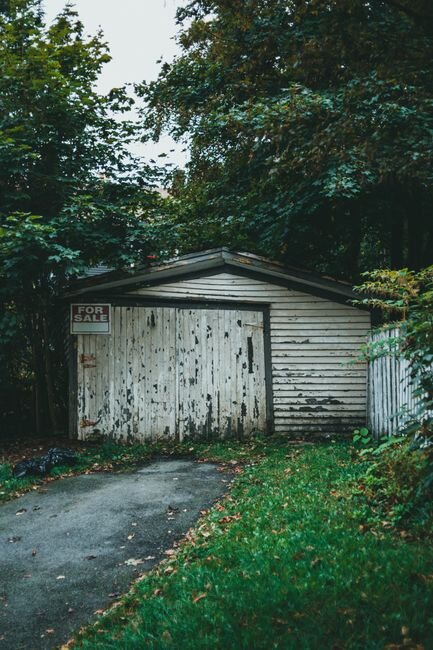
Ugly covers a wide range, outdated kitchens and bathrooms frozen in whatever decade they were last renovated, overgrown yards, peeling paint, mismatched additions that clearly weren’t permitted properly, carpet that should have been replaced a decade ago, or a layout that just doesn’t make sense by modern standards. None of these things make a house unsellable, they just make it unsellable to the specific slice of buyers who only want something already updated and photo-ready.
Some houses earn the label more dramatically, hoarding situations, structural issues, storm damage that was patched rather than properly repaired. House Buyer Joe buys across that entire spectrum, from cosmetically dated to genuinely rough, without asking a seller to fix, clean, or stage anything before getting a real offer.
Why Traditional Buyers Struggle With Ugly Houses
A buyer using a conventional mortgage is shopping with their own eyes and often their lender’s appraisal standards, and cosmetic condition affects both. Many buyers simply lack the vision, or the patience, to look past outdated finishes and imagine a renovated version of the same house, and lenders sometimes require specific repairs before funding a loan on a home in rougher condition, adding yet another obstacle beyond just finding an interested buyer.
This means an ugly house often sits on the traditional market considerably longer than a comparable, updated house nearby, accumulating carrying costs the whole time, mortgage payments, taxes, insurance, while the seller waits for exactly the right buyer willing to see past the cosmetic condition.
The Case for Not Renovating Before Selling
Here’s an honest opinion I’ll stand behind: most homeowners lose more money renovating an ugly house before selling than they’d ever recover in a higher sale price, especially on big-ticket items like kitchens, bathrooms, and roofs. Renovation costs real money upfront, takes real time, and doesn’t always translate dollar for dollar into a higher sale price, particularly if the renovation choices don’t match what buyers in that specific price range are actually looking for.
Selling as-is to a direct buyer skips this calculation entirely. There’s no guessing which upgrades will actually pay off, no contractor delays, and no risk of sinking money into a house you’re trying to leave rather than keep.
How the Process Works for an Ugly House Specifically
House Buyer Joe evaluates the house’s actual condition honestly, factors it into a fair cash offer, and closes without requiring any repairs, cleaning, or staging beforehand. There’s no walkthrough where a seller feels judged for the state of the place, and no negotiation that starts with “well, once you fix this and this and this.” The number offered accounts for the condition upfront, so it’s the number that actually closes.
This matters especially for sellers who are embarrassed by a house’s current state, whether from a difficult personal situation, a tenant who left it in rough shape, or just years of not having the time or money to keep up with maintenance. There’s no judgment in this process, just a straightforward evaluation and a real number.
Not Every “We Buy Ugly Houses” Company Actually Closes
Here’s another honest opinion worth stating plainly: a lot of companies advertising this exact phrase aren’t actually prepared to close on your house themselves. Many are wholesalers, meaning they get your house under contract and then try to assign that contract to a different investor for a fee, and if they can’t find that buyer in time, the deal falls apart late, sometimes after you’ve already turned down other options or started planning around a closing date that was never solid.
Asking directly whether a company intends to close with their own funds or is planning to assign the contract to someone else is a completely reasonable question, and a legitimate direct buyer should answer it honestly without getting defensive. House Buyer Joe closes with its own funds, no assignment, no waiting on a mystery third-party buyer to materialize before your closing date arrives.
The Federal Trade Commission’s guidance on avoiding scams is worth a read for anyone evaluating multiple cash-buying companies, since the same general red flags, pressure tactics, vague answers about funding, apply just as much in real estate as anywhere else.
What Sellers Often Assume Is Disqualifying (But Isn’t)
Plenty of sellers assume their specific situation is too far gone for anyone to want the house, code violations, unpermitted additions, a house that’s been vacant for years and accumulated real deferred maintenance as a result. In most cases, none of these disqualify a house from a direct cash offer, they simply factor into the number, the same way any other condition detail would.
Unpaid property taxes, an active lien, or an inherited house still tied up in probate also don’t automatically disqualify a sale, though they do require a bit more coordination to structure properly. If you’ve been assuming your specific situation is uniquely unsellable, it’s worth a direct conversation before ruling out a cash sale entirely based on an assumption rather than an actual answer.
A Quick Story on Just How “Ugly” Gets Defined
I’ve bought a house where the inside had genuinely been used as a chicken coop, live chickens roosting inside the actual living room, not just out in the yard. It looked about as rough as you’d imagine walking in that first day. That same house became a genuinely beautiful renovated home once the work was done, proof that “ugly” and “hopeless” are two entirely different things.
The Emotional Side of Selling a House You’re Not Proud Of
There’s a real emotional weight to selling a house that’s fallen into rough shape, whether it happened gradually through years of not having the time or money to keep up, or suddenly through a tenant situation or a family circumstance that took priority over maintenance. Some sellers feel a genuine sense of embarrassment showing the place to anyone, worried about being judged for how it looks.
That reaction is understandable, but it’s worth setting aside before reaching out. Nobody in this business is walking through your house keeping a mental scorecard of what should have been fixed sooner. The condition is simply an input into a fair number, not a reflection of anything about you as a homeowner, and treating it that way makes the entire process considerably less stressful than sellers often expect going in.
Why This Matters for Jacksonville’s Older Housing Stock
Jacksonville has plenty of older neighborhoods with homes built decades ago, and homes that age naturally accumulate the kind of cosmetic and structural wear that scares off traditional buyers looking for something move-in ready. Understanding that there’s a real, straightforward market for exactly these houses matters for anyone who’s assumed their property is simply too rough to sell without a major investment first.
This isn’t unique to any one part of the city either, older housing stock shows up across plenty of Jacksonville neighborhoods, and the same financing and buyer-hesitation issues that apply to one dated house apply just as much to a similar house a few miles away. Recognizing that this is a citywide pattern, not a reflection of any one specific neighborhood’s reputation, helps sellers understand that an outdated house is a common, ordinary situation rather than something unusual to feel self-conscious about.
A Necessary Note on Structural Concerns
If a house has more serious concerns, foundation issues, significant water damage, code violations, it’s still worth getting a professional evaluation of the scope before assuming a quick sale solves everything, since some situations genuinely benefit from an inspector’s or contractor’s honest input alongside a cash offer, not instead of one.
This kind of evaluation isn’t about talking yourself out of selling, it’s about walking into the conversation with a clear picture of what you’re dealing with, so any offer you receive can be weighed against real information rather than guesswork on either side of the transaction.
Where to Learn More About Home Condition Standards
The International Association of Certified Home Inspectors offers plain-language resources on what typically gets flagged in an inspection, useful context for understanding how a house’s condition gets evaluated regardless of which path you choose for selling it.
Ready to Sell Your House Exactly as It Is?
Reach out to House Buyer Joe for a straightforward cash offer on your Jacksonville house, however rough it looks right now, no cleanup, no repairs, and no obligation attached.