
An appraisal is one of the more consequential steps in a traditional home sale, and plenty of sellers don’t fully understand it until an appraisal comes back lower than expected and threatens to derail an otherwise smooth transaction. How appraisals work when selling in Jacksonville matters because a low appraisal can delay closing, force renegotiation, or kill a deal entirely, and understanding the process ahead of time helps you prepare rather than react in a panic when the report finally lands.
Most sellers first encounter the appraisal process only after they’ve already accepted a buyer’s offer, which is exactly the wrong time to be learning how it works. Understanding this step before you list, or at minimum before you accept an offer, lets you anticipate potential issues rather than discovering them mid-transaction when there’s far less room to adjust course.
Why Appraisals Exist in the First Place
Lenders require an appraisal to confirm a property is actually worth what they’re being asked to finance, protecting the lender from lending more than a house could realistically sell for if the buyer later defaulted. This means the appraisal serves the lender’s interests directly, not the buyer’s or seller’s, even though its outcome affects both parties considerably once a number comes back.
This lender-first orientation is worth understanding clearly, since it explains why an appraiser’s job isn’t to validate whatever price a buyer and seller agreed to, it’s to independently verify the property supports that number regardless of how confident either party feels about the negotiated price. A seller expecting the appraisal to simply confirm the agreed price is sometimes surprised by how genuinely independent this process actually is.
What an Appraiser Actually Evaluates
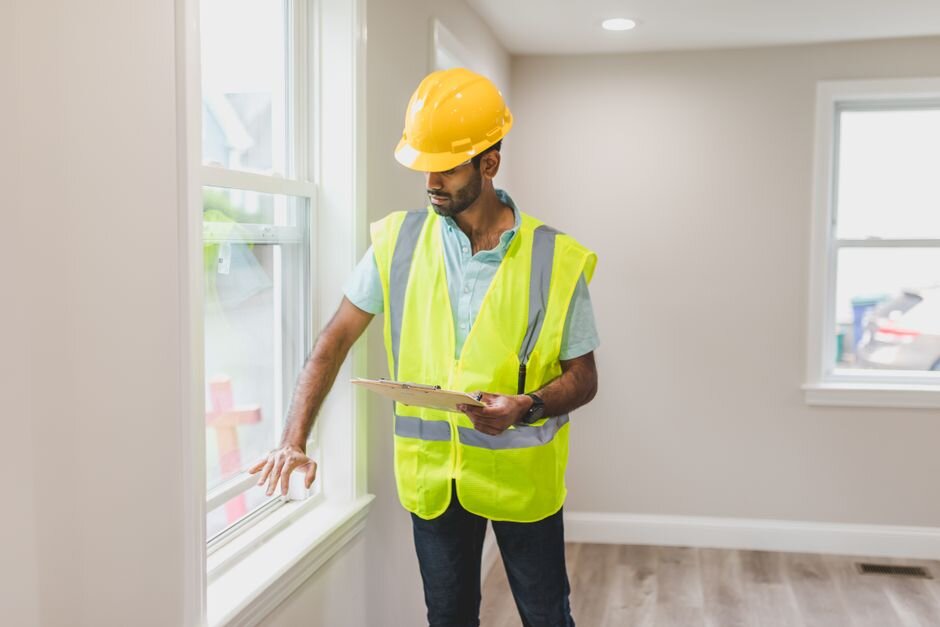
A licensed appraiser visits the property, documents its condition, size, and features, and compares it against recent comparable sales in the immediate area, adjusting for differences like extra bedrooms, garage space, lot size, and overall condition. This process is more art than pure formula, requiring judgment calls about how much a specific feature or condition difference is actually worth in dollar terms.
Appraisers also factor in broader market conditions, whether values in the immediate area are rising, flat, or declining, and how quickly comparable homes have actually been selling. A neighborhood experiencing rapid appreciation can sometimes produce appraisals that lag slightly behind the fastest-moving market data, since appraisers rely on closed sales, not pending or active listings, which naturally trail current market momentum by several weeks or months.
What Happens If the Appraisal Comes in Low
A low appraisal doesn’t automatically kill a sale, but it does require resolution, either the buyer brings additional cash to cover the gap between the appraised value and the agreed price, the seller reduces the price to match, or both parties split the difference. If neither side is willing or able to bridge the gap, the deal can fall through entirely, sending the seller back to square one after weeks or months already invested in the transaction.
This is exactly the kind of last-minute complication that makes traditional sales genuinely uncertain even after an offer has been accepted, since a seller can do everything right, find a serious buyer, negotiate a fair price, and still see the deal collapse over an appraisal disagreement that neither party fully controls. Understanding this risk upfront is part of why some sellers prefer the certainty of a cash sale over navigating this specific uncertainty.
How Sellers Can Prepare for a Stronger Appraisal
The Duval County Property Appraiser can be a useful resource for pulling your own comparable sales data beforehand. Providing the appraiser with a list of recent updates, permits for any renovations, and comparable sales you believe support your asking price can genuinely help, since appraisers welcome relevant information even though they ultimately form their own independent judgment. Making sure the house is clean, decluttered, and easy to evaluate also helps an appraiser accurately assess condition rather than working around visual clutter that obscures the property’s actual state.
Addressing any obvious deferred maintenance before the appraisal, if time and budget allow, can also support a stronger valuation, since appraisers do factor in visible condition issues, a failing roof, obvious water damage, outdated systems, when forming their assessment. This isn’t always practical on a tight timeline, but it’s worth knowing that condition genuinely does move the needle on an appraised value.
Why Distressed Properties Face a Different Appraisal Reality
A house needing significant repairs often appraises below what a seller hopes for, since the appraiser must factor in the actual cost a buyer would need to invest to bring the property to typical market condition. This is exactly why financed sales on distressed properties are so much harder to complete successfully, the appraisal frequently comes back reflecting the property’s real, as-is condition rather than a hoped-for renovated value.
Sellers of distressed properties sometimes discover this the hard way, accepting a buyer’s offer based on a hopeful price, only to have the appraisal come back well below that number once the appraiser accounts for the actual repair costs involved. This gap is often large enough that no reasonable renegotiation bridges it, effectively ending the traditional sale path for that specific property and buyer.
How a Direct Cash Sale Sidesteps This Entirely
House Buyer Joe buys houses in Jacksonville directly, without a lender-required appraisal contingency that could derail the sale partway through. Because there’s no financing involved, there’s no appraisal to come back low and threaten the deal, the offer we make is the number we’re prepared to close on, not a starting point subject to a third-party evaluation weeks into the process.
This removes one of the more common and frustrating points of failure in a traditional sale, particularly valuable for sellers of distressed or unique properties where a traditional appraisal is more likely to come back lower than hoped, threatening the entire transaction over a number neither the buyer nor seller directly controls.
A Resource Worth Knowing About
The National Association of Realtors publishes broader data on appraisal trends and how often low appraisals affect transactions nationally, useful context for understanding just how common this specific risk genuinely is in today’s market.
How Josiah Approaches Pricing and Appraisal Questions
Having spent 11 years as a licensed realtor before starting House Buyer Joe, Josiah understands the appraisal process from direct experience guiding sellers through exactly this uncertainty. That background shapes every offer we make, grounded in real market knowledge rather than a number that might not survive a lender’s independent evaluation.
Want to Skip the Appraisal Uncertainty Entirely?
Whether you’re worried about how your house might appraise or simply want a certain, straightforward sale, reach out to House Buyer Joe for a cash offer that doesn’t depend on a third-party appraisal, no obligation attached.