
Jacksonville has genuinely been one of Florida’s fastest-growing metro areas for years now, new residents arriving from higher-cost states, remote workers no longer tied to a specific office location, and retirees drawn by the climate and relative affordability compared to South Florida. How Jacksonville’s population growth is affecting home prices matters to anyone deciding whether to sell now, wait, or simply understand what’s actually driving the numbers they’re seeing in their own neighborhood.
Where the Growth Is Actually Coming From
Jacksonville’s population growth draws from several distinct sources: domestic migration from higher-cost states like New York and California, a steady flow of retirees choosing Florida for its tax advantages and climate, and remote workers who gained location flexibility over the past several years and chose Jacksonville specifically for its lower cost of living relative to Florida’s more expensive metro areas like Miami or Orlando. Each of these groups brings somewhat different housing preferences and price sensitivity, which shapes demand differently across different parts of the city.
The U.S. Census Bureau’s population estimates program tracks this migration data at the metro level, offering a useful, non-partisan source for understanding exactly how fast Jacksonville has actually grown compared to other Florida metro areas and the national average.
Why More People Means Higher Prices, Generally
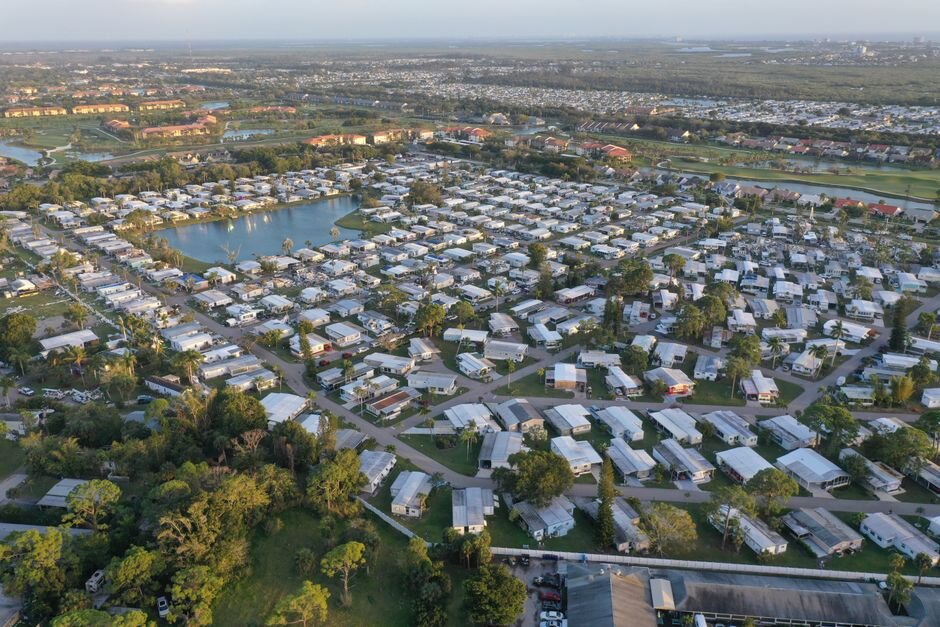
Basic supply and demand explains most of what’s happening. More people moving to the same metro area, competing for a housing stock that takes years to meaningfully expand through new construction, generally pushes prices upward, especially in the specific neighborhoods and price points that new arrivals are targeting most heavily. This effect isn’t uniform across the entire city, some neighborhoods have seen dramatic appreciation while others have moved more modestly, largely depending on how directly they intersect with what new arrivals are actually looking for. New construction takes years to meaningfully catch up to a sudden influx of new residents too, permitting, infrastructure, and actual building all move slower than population growth itself, which is part of why price pressure tends to show up well before supply has any real chance to respond and ease it.
Which Areas Have Felt This Most
Newer construction areas and neighborhoods offering more house for the money relative to where transplants are typically moving from have generally seen the strongest price growth, since these areas most directly match what price-sensitive newcomers are searching for. Established, character-driven neighborhoods have also seen meaningful appreciation, though often for a different reason, existing residents and local buyers competing for a genuinely limited supply of historic or distinctive housing stock that simply isn’t being replicated in new construction.
Proximity to major employers and job centers plays a role too, since remote work flexibility hasn’t eliminated the fact that plenty of new arrivals still need to commute somewhere at least part of the week. Neighborhoods within a reasonable drive of the city’s core business districts, the hospital systems, and the growing logistics and distribution sector have generally seen more consistent demand than areas further removed from these employment centers, regardless of how much house those areas offer for the money.
What This Means If You’re Selling Now
Population-driven demand generally works in a seller’s favor, more buyers competing for available inventory tends to support stronger pricing and faster sales than a stagnant or shrinking market would produce. This is genuinely good news if you’re considering selling, though it doesn’t mean every property automatically commands a premium, condition, location, and pricing strategy still matter enormously even in a growing market with strong underlying demand.
Why Growth Also Increases Some Costs for Sellers
Rising home values come with a less-discussed side effect: property tax assessments tend to rise alongside market values, which can mean sticker shock for longtime owners who bought their homes years ago at considerably lower assessed values. This is worth factoring into your own financial picture if you’re weighing whether to sell now or continue holding, since a rising assessment on a property you’re not selling doesn’t help you, it just increases your ongoing carrying costs. Florida’s Save Our Homes cap limits how much a homesteaded property’s taxable assessed value can increase annually, which softens this effect somewhat for owner-occupants, though it doesn’t apply the same way to rental or investment properties, where rising assessments hit the full ongoing cost immediately.
Where This Trend Seems to Be Heading
Population growth driven by genuine economic and lifestyle factors, job opportunities, climate, relative affordability, tends to be more durable than growth driven purely by short-term speculation, though no market trend continues in a straight line indefinitely. The National Association of Realtors tracks these broader migration and pricing trends nationally, useful context for understanding whether Jacksonville’s growth pattern looks more like a sustained shift or a temporary spike relative to other fast-growing metro areas.
What This Means for Distressed or As-Is Properties
Even in a growing market with strong demand, a house needing significant repairs doesn’t automatically benefit from broader appreciation trends the same way a move-in-ready home does, since the buyer pool for a distressed property remains investors and renovators rather than the broader wave of new arrivals looking for move-in-ready housing. Understanding which category your specific property actually falls into matters more than a general sense that “the market is hot right now.” A distressed property in a rapidly appreciating neighborhood is still, first and foremost, a distressed property, and pricing it as though it were competing directly with the move-in-ready homes driving headline appreciation numbers usually leads to a longer, more frustrating sale process than pricing it accurately for the actual buyer pool it’s genuinely competing for.
Selling As-Is in a Growing Market
House Buyer Joe buys houses in Jacksonville directly, regardless of whether your specific property fits the profile that’s driving the city’s broader growth story. No repairs, no commissions, and a fair, accurate offer based on your property’s actual condition rather than an assumption that rising citywide numbers automatically apply equally to every single house on every single street.
How Josiah Reads This Market
With years of experience across Jacksonville’s real estate market both as a realtor and as a direct buyer, Josiah watches these population and pricing trends closely to make sure every offer reflects current, accurate market conditions rather than outdated assumptions about what a neighborhood was worth even a year or two ago.
Curious What Your House Is Worth Right Now?
Whether you’re simply trying to understand how growth has affected your specific property’s value or you’re already ready to sell, reach out to House Buyer Joe for a straightforward cash offer reflecting today’s actual market, no obligation attached.