
A failing roof, outdated electrical, or a foundation that’s shifted over the decades will scare off most traditional buyers before they’ve even finished the walkthrough. If you’re wondering how to sell a house that needs repairs in Jacksonville without spending money you don’t have to get it market-ready first, the good news is you have more options than a bank-financed buyer’s inspection report would suggest.
Distressed properties come in every shape: a house you inherited that’s been sitting empty and slowly deteriorating, a rental that a tenant left in rough condition, or just a home you’ve owned for decades where deferred maintenance finally caught up all at once. Whatever the cause, the path forward looks similar once you understand who’s actually able to buy a house in this kind of condition.
Why Repairs Kill Traditional Sales
Financed buyers almost always need the home to pass an appraisal and, depending on the loan type, an inspection with no major red flags. FHA and VA loans in particular have minimum property standards that can outright disqualify a house with a bad roof or exposed wiring. That means a big chunk of the buyer pool is off the table before your house needing repairs ever gets a real offer, no matter how good the price is.
Even conventional financing, which has more flexibility than FHA or VA loans, still runs into trouble when an appraiser flags safety issues or major systems in failing condition. The appraisal itself can come back below the agreed price once repairs are accounted for, which reopens negotiations right when you thought the deal was settled, sometimes killing it entirely at the closing table.
The “Fix It First” Math Rarely Works Out
Most homeowners lose more money fixing a house up before selling than they ever recover in a higher sale price, especially on big-ticket items like a roof or HVAC system. According to the Cost vs. Value report that gets published annually, most renovation projects return well under 100% of their cost at resale, and that’s before accounting for the time, stress, and carrying costs of managing a renovation you’re not planning to enjoy living in.
What Counts as “Major Repairs,” Really
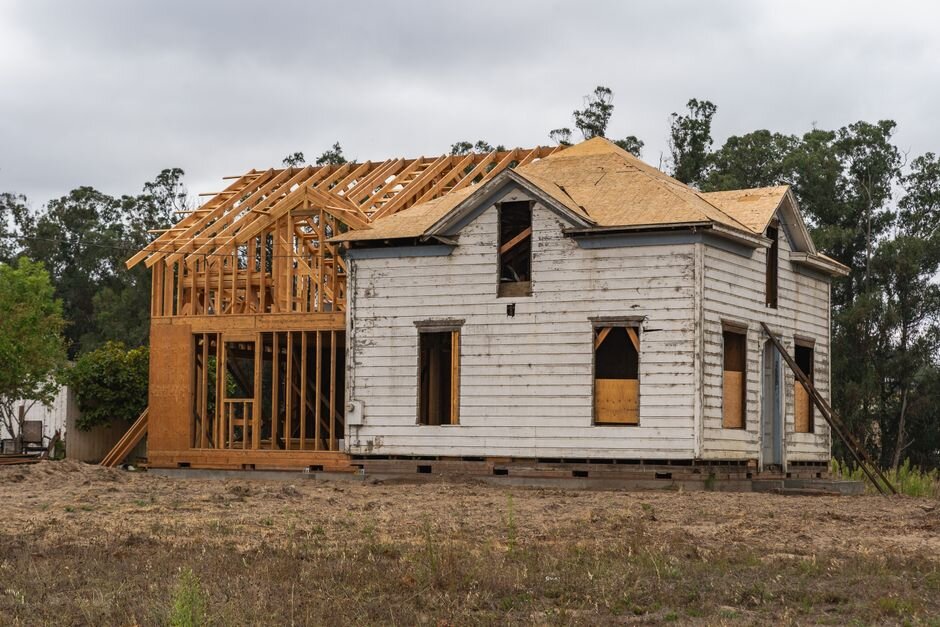
Roof age and condition, foundation issues, outdated or unsafe electrical panels, plumbing that backs up, HVAC systems past their expected lifespan, and mold or water damage all fall into this category. If a home inspector would flag it in a bright red font, it’s the kind of repair that scares off financed buyers and drags out negotiations even with cash buyers who aren’t well capitalized. Cosmetic issues, dated paint colors, worn carpet, an outdated kitchen, are a completely different category. Those hurt showings and first impressions, but they rarely disqualify a buyer’s financing the way structural and safety issues do.
The Reality of Tenant and Storm Damage
We bought a rental property once where the previous tenants had started a fire that got away from them and spread into a full brush fire serious enough that the surrounding neighborhood had to evacuate for a few hours. The house itself needed a total rebuild in parts. That’s an extreme example, but it illustrates the point: no repair situation is too far gone for a direct sale as-is. We’ve bought houses in worse condition than most sellers assume disqualifies them.
Insurance and Code Violations Compound the Problem
Beyond financing, a lot of insurers won’t write a new policy on a house with an old roof, active water damage, or known electrical hazards, which means even a cash buyer without a mortgage might struggle to insure the property until repairs happen. This is one more reason distressed houses tend to sit: it’s not just financed buyers who get filtered out, it’s also buyers who’d pay cash but can’t get coverage in place before closing.
If the county or city has already flagged the property for code violations, unpermitted work, an unsafe structure notice, that status follows the house and can complicate a traditional sale even further, since many lenders won’t finance a property with open violations at all. Clearing violations before selling can take months and real money most distressed-property owners don’t have sitting around, which again tends to funnel these houses toward direct buyers who can close around the issue rather than requiring it resolved first.
Selling As-Is Doesn’t Mean Selling Cheap
As-is means you don’t fix anything before closing, not that the price ignores the condition entirely. We factor repair costs into the offer honestly, based on what it’ll actually cost to bring the house up to sellable condition, not an inflated worst-case estimate designed to lowball you. That’s a fair trade for not spending your own money and months of time managing contractors first.
If You’ve Already Gotten Repair Quotes
Hold onto them. Knowing the real cost of a new roof or a foundation repair helps you evaluate any offer, ours included, against what you’d actually net after paying for those repairs and then still going through a traditional sale. Sometimes the math clearly favors listing after repairs. Often, once you add up contractor costs, permit delays, and carrying costs during the work, it doesn’t.
Don’t forget to factor in the time value of those repairs, either. A roof replacement alone can take weeks once you account for scheduling a reputable contractor, and a foundation repair can stretch into months if engineering reports and permits are involved. Every week spent repairing is another week of mortgage payments, insurance, and utilities on a house you’re trying to sell, not living in, and that carrying cost rarely makes it into the back-of-napkin math homeowners do before committing to the “fix it first” plan.
Getting a Second Opinion on Condition
If you want an independent read on what’s actually wrong with the house before talking to anyone about a sale, an inspector through the American Society of Home Inspectors can give you an unbiased list that’s useful no matter which selling path you choose.
What This Looks Like With Us
You tell us what’s wrong, we factor it into the number, and you close without lifting a hammer or writing a single repair check. No inspection contingency that can blow up the deal after you’ve already mentally moved on.
Ready for an Honest Number?
Whatever’s wrong with the house, tell us straight and we’ll give you a straight offer back, no obligation and no judgment about how it got that way. We’ve heard it all at this point, and odds are your house isn’t the strangest situation we’ve dealt with this year.