
Walking into a rental after a bad tenant moves out is its own particular kind of gut punch, the kind that hits you the second you open the front door and realize how bad it actually is. If your tenant trashed your rental in Jacksonville, holes in the walls, carpet that needs to be gutted, a smell you can’t quite place, you’re dealing with both a financial problem and an emotional one, and it helps to separate the two before deciding what comes next.
Document Everything Before You Touch Anything
Photos and video of the damage, dated and thorough, matter for the security deposit claim, for insurance if applicable, and for small claims court if you end up pursuing the former tenant for costs beyond the deposit. It’s tempting to just start cleaning out of frustration. Resist that instinct until you’ve documented the condition thoroughly.
Walk through room by room and photograph everything, not just the obvious damage. Cabinet interiors, closets, under sinks, and the garage all sometimes hide damage that isn’t visible from a quick walkthrough. Comparing these photos against your move-in inspection report, if you did one, makes the difference between normal wear and actual damage much easier to prove later.
The Emotional Toll Landlords Don’t Talk About Enough
Beyond the financial hit, there’s a real emotional weight to seeing a property you own treated this way, especially if you put real work into it before renting it out. It’s normal to feel angry, and it’s worth acknowledging that feeling rather than just pushing through to the next repair decision without processing it. Plenty of landlords describe this exact experience as the moment they started seriously reconsidering whether being a landlord was still worth it.
What the Security Deposit Actually Covers
Florida law allows landlords to deduct damage beyond normal wear and tear from a security deposit, following specific notice requirements under Chapter 83 of the Florida Statutes. Normal wear and tear (worn carpet from years of use, minor scuffs) isn’t chargeable. Actual damage, holes, broken fixtures, pet damage beyond reasonable use, generally is, provided you follow the proper notice timeline. Keep every receipt for repairs you end up paying for yourself, since those become part of your documentation if the dispute ever escalates.
Miss the notice deadline for claiming against the deposit and you can forfeit your right to withhold any of it, regardless of how legitimate the damage claim actually is. This is one of the more unforgiving parts of Florida’s landlord-tenant law, and it trips up first-time landlords more often than seasoned ones who’ve learned the timeline the hard way already.
When the Deposit Doesn’t Cover It
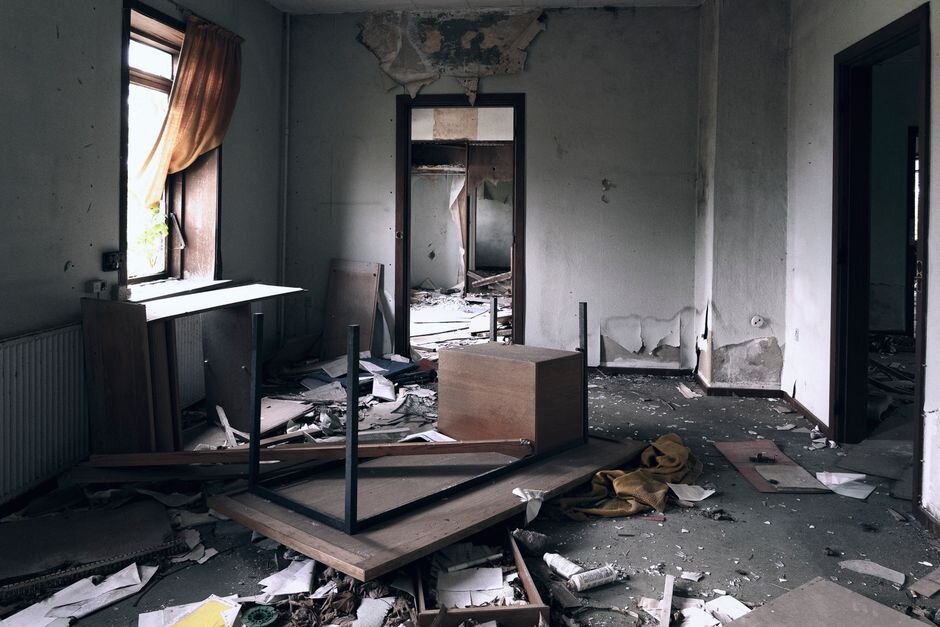
Most security deposits are nowhere close to covering serious damage. Once you’re looking at a full flooring replacement, drywall repair throughout, or damage to major systems, you’re generally looking at out-of-pocket costs the deposit barely dents. Small claims court is an option for the difference, though collecting on a judgment against someone who already couldn’t afford to pay rent responsibly is often more trouble than it’s worth.
Even winning a judgment doesn’t guarantee you’ll ever see the money. Judgments require the other party to actually have collectible assets or wages to garnish, and a tenant who trashed a rental on their way out is frequently not in a financial position to pay a judgment even if a court rules in your favor. It’s worth weighing the time and filing costs against the realistic odds of ever collecting.
Repair and Re-Rent, or Sell?
This is the real decision point. Repairing and re-renting means fronting real money for repairs, finding and vetting a new tenant, and hoping the next one treats the property better. Selling as-is means never touching a contractor’s invoice again, but it does mean walking away from the rental income this property might otherwise generate long-term.
The Math Landlords Often Skip
Factor in the actual cost of repairs, the months of lost rent while repairs happen, the emotional and time cost of managing another renovation, and the real risk of this happening again with a future tenant. Once all of that is on the table, a lot of landlords realize the numbers favor selling more than they initially assumed, especially if this isn’t the first rough tenant experience.
It’s also worth being honest about your appetite for screening and managing another tenant relationship at all. Some landlords genuinely enjoy the work and see this as a bad stretch in an otherwise fine investment. Others realize, often after exactly this kind of experience, that the ongoing management burden was never something they actually wanted long-term, and that’s a completely valid realization to act on.
Selling a Damaged Rental As-Is
We buy rental properties Jacksonville landlords are dealing with in whatever condition they’re actually in, damage included. No repairs needed before closing, no showings to coordinate around a property that currently looks rough, and no waiting to find a financed buyer whose lender won’t approve a loan on a house in this condition anyway.
We factor the actual repair costs into the offer honestly, based on what it would genuinely take to bring the property back to rentable or sellable condition, not an inflated worst-case number designed to lowball a stressed-out landlord. You get a fair, accurate number without having to spend a dollar on the damage yourself.
If the Tenant Is Still Technically in the Lease
Selling doesn’t require evicting a current tenant first in every case, we can often work around an existing lease depending on the situation and your goals for the sale. Talk through the specifics rather than assuming a current tenant automatically complicates things more than it does. Every lease and every tenant relationship is different, and the right approach depends on those specific details rather than a one-size-fits-all rule.
Knowing Your Rights as a Landlord
Florida’s landlord-tenant statute, Chapter 83 of the Florida Statutes, and the Florida Department of Agriculture and Consumer Services’ landlord-tenant guidance both lay out your rights and obligations clearly. Worth a read before deciding your next move, especially around deposit deductions and notice requirements, since getting the process wrong can cost you the ability to withhold funds you’re otherwise entitled to.
Done Being a Landlord?
If this experience has you rethinking whether being a landlord is worth the stress, you’re far from the first. We’ll give you a straight number for the property as it sits, no repairs required on your end. Whatever you decide, you deserve to make that call from a place of clarity, not exhaustion, and we’re glad to help you get there.