
Southside has grown into one of Jacksonville’s more established residential areas over the decades, and that maturity shows up directly in its housing stock, plenty of well-built homes from earlier building eras mixed among newer construction filling in over the years. Older housing stock in Southside: what it means for sellers matters because a home’s construction era shapes buyer expectations, financing considerations, and realistic pricing in ways that a generic citywide estimate simply doesn’t capture.
Selling an older home in an area that’s also seen substantial newer development creates a specific dynamic worth understanding clearly, since buyers touring Southside listings encounter a genuinely wide range of construction eras within the same general area, and knowing where your specific property falls on that spectrum shapes everything from your marketing approach to your realistic price expectations.
Why Construction Era Matters More Than Buyers Often Realize
Homes built decades ago typically feature systems, electrical, plumbing, HVAC, that have already been through at least one full replacement cycle, or are due for one soon, a genuinely different maintenance conversation than a newer home built to current code with systems still well within their expected service life. Buyers touring an older Southside home need to understand this distinction clearly, and sellers who can speak confidently to when major systems were last updated build considerably more trust than those who can’t answer these questions directly.
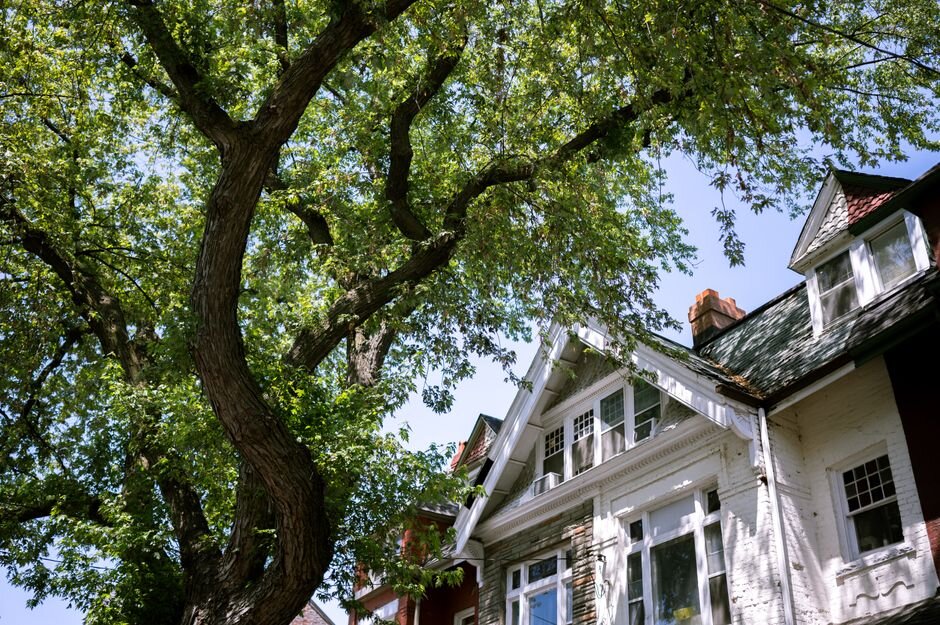
Original architectural details, real hardwood floors, plaster walls, distinctive trim work, often set older homes apart in ways newer construction simply doesn’t replicate, appealing genuinely to a specific type of buyer who values character over the more standardized features of newer builds. This appeal is real, but it’s also worth pricing honestly rather than assuming character alone offsets legitimate condition concerns a serious buyer’s inspector will inevitably identify.
It’s worth documenting these original details specifically when marketing an older home, since photos and listing descriptions that highlight genuine period character, original millwork, restored hardwood, a clawfoot tub, attract buyers actively seeking exactly this kind of home rather than buyers who’d prefer new construction and are simply browsing broadly. Speaking directly to the specific era and style of your home, rather than generic listing language that could describe any house regardless of age, helps the right buyer recognize your property as exactly what they’re looking for.
How Financing Gets More Complicated With Age
Older homes sometimes face more scrutiny during a traditional buyer’s inspection and appraisal process, particularly around electrical systems, older homes with outdated wiring types can raise insurance and financing red flags that a newer home’s more current systems simply don’t trigger. Lenders and insurers alike pay closer attention to a home’s age-related risk factors, meaning a seller of an older Southside home needs to anticipate these questions rather than being caught off guard when they surface during a traditional sale.
This doesn’t mean older homes can’t finance traditionally, most absolutely can, but it does mean sellers benefit from knowing their specific home’s systems status clearly before listing, rather than discovering an issue only once a buyer’s inspection flags it and negotiations suddenly shift in an unexpected direction.
Getting a baseline electrical and plumbing inspection done before listing, even when you don’t plan to complete any resulting repairs before selling, at least gives you accurate information to share honestly with prospective buyers rather than guessing at your home’s actual systems status. This upfront knowledge lets you price realistically from the start and answer buyer questions directly and credibly, rather than seeming evasive about details a serious buyer is going to ask about regardless.
Why Comparable Sales Get Trickier in a Mixed-Era Area
A neighborhood with genuinely varied construction eras makes finding truly comparable sales more difficult than in a uniform, single-era subdivision, since a recently sold newer home nearby doesn’t necessarily reflect what your older home would realistically fetch, and vice versa. Understanding which specific comparable sales genuinely reflect your home’s era and condition, rather than simply the nearest sales geographically, produces a more accurate pricing picture.
This is exactly where working with someone genuinely familiar with your specific area’s construction history pays off, distinguishing between comps that are truly comparable to your home’s age and condition versus ones that simply happen to be nearby but represent a fundamentally different type of property entirely.
Buyers researching Southside independently sometimes make this same mistake in reverse, anchoring their expectations to whichever comp they happened to find first rather than genuinely comparable sales. A seller who can proactively point toward the specific comparable sales that actually support their asking price, era-matched and condition-matched rather than simply geographically close, tends to face fewer pricing objections during negotiation than one who leaves this research entirely to the buyer’s own initiative.
Selling As-Is Regardless of Construction Era
House Buyer Joe buys houses in Southside directly, whether they’re recently built or decades old, evaluating each property based on its actual current condition rather than generic assumptions tied to construction era alone. No repairs required, meaning an older home’s system updates, or lack thereof, don’t need to be addressed before you can sell, letting you move forward based on your house’s real, current situation.
This is especially useful for inherited older Southside properties, where the current owner doesn’t have local knowledge of the home’s specific history, or the capital to invest in updating decades-old systems before a traditional sale could realistically move forward. A direct sale sidesteps that entire burden, letting the property transfer based on its actual condition rather than requiring an investment the current owner isn’t positioned to make.
Checking Your Specific Property’s Details
The Duval County Property Appraiser lets you pull your property’s construction year, recent sales, and assessed value directly, a genuinely useful starting point before assuming a general area estimate applies accurately to your specific, individual property. The National Association of Realtors also publishes broader data on how home age affects buyer preferences and pricing nationally, useful context for understanding your specific property’s position within these general trends.
Why Josiah Understands This Neighborhood’s Mix
Josiah’s years working across Jacksonville’s full range of housing stock, from historic properties to new construction, means understanding exactly how to evaluate an older Southside home fairly, accounting for its specific age, condition, and character rather than applying a one-size-fits-all approach that ignores what actually makes each individual property unique.
Want a Real Number for Your Southside House?
Whatever specific era your Southside property was built in, reach out to House Buyer Joe for a fair, honest cash offer based on your home’s actual condition, no obligation attached.