
A house fire changes everything in the space of an hour, and what’s left behind afterward can feel impossible to look at, let alone figure out what to do with. Selling a fire-damaged house in Jacksonville is more common than you’d think, and it doesn’t require the smoke smell to be gone, the walls to be repainted, or a single repair made before you find a buyer. Here’s what the process actually looks like.
Why Fire Damage Scares Off Traditional Buyers
Financed buyers need a house to pass both an appraisal and, depending on the loan type, a fairly strict inspection. Smoke damage, structural concerns from the fire itself, and water damage from putting it out all raise red flags that most lenders simply won’t approve a loan around. That eliminates a large share of the traditional buyer pool before your house ever gets a serious look.
Even buyers who might otherwise overlook cosmetic issues tend to balk specifically at fire damage, partly because smoke odor is notoriously difficult to fully remediate, and partly because structural damage isn’t always visible to the naked eye. A buyer touring in person can smell smoke residue that lingers long after visible soot has been cleaned, and that alone ends a lot of showings before they really start.
What Insurance Typically Covers, and What It Doesn’t
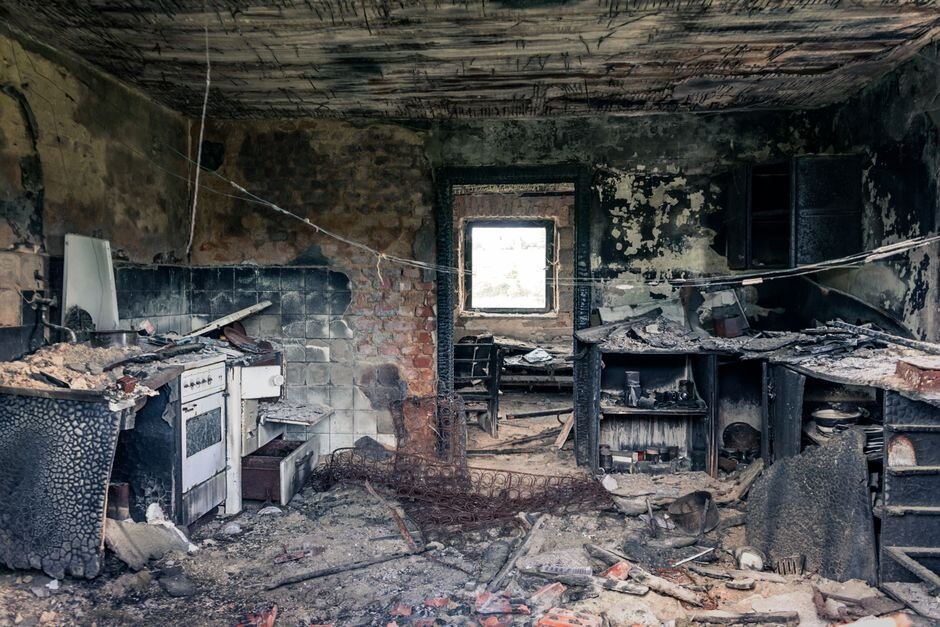
A standard homeowners policy generally covers fire damage, including the cost to rebuild or repair and remediate smoke damage, plus additional living expenses if the house becomes uninhabitable. What it often doesn’t fully cover is the gap between the insurance payout and what full restoration would actually cost, especially on older homes where code-required upgrades during rebuild (updated electrical, current fire safety standards) add expenses the original policy limits didn’t anticipate.
Filing the claim properly matters too. Photographing everything before any cleanup begins, keeping receipts for temporary housing, and getting a written scope of damage from the adjuster all protect you if the payout ends up being disputed. The National Association of Realtors’ consumer guide on fire damage and policy coverage walks through this process in plain language.
Repair, Rebuild, or Sell As-Is?
Repairing means fronting money (or waiting on an insurance payout that may not cover everything), managing contractors through a full restoration, and living somewhere else for months while it happens. Rebuilding from a total loss is an even bigger undertaking, sometimes a year or more start to finish. Selling as-is means none of that. You collect whatever insurance proceeds you’re entitled to and sell the property in its current condition, letting the buyer handle the restoration on their own timeline.
For a lot of homeowners, especially those who don’t have a strong emotional attachment to rebuilding on that specific lot, or who simply don’t have the bandwidth to manage a year-long construction project, selling as-is turns out to be the path that actually gets them to a fresh start fastest.
What a Direct Cash Sale Looks Like Here
Because House Buyer Joe buys directly with our own funds, we don’t need the house to pass any lender’s inspection standards. We evaluate the actual extent of the damage, structural, smoke, water from firefighting efforts, and build an honest offer around what it would take to restore the property, then handle that restoration ourselves after closing.
This also means you’re not stuck waiting for an insurance settlement to fully resolve before you can move forward. Depending on your situation, we can sometimes structure a sale where the insurance claim and proceeds work in parallel with the closing process rather than one having to finish before the other starts.
What About the Insurance Claim if You Sell?
Generally, you can still pursue and collect your insurance claim on a house you’re selling, though the specifics depend on your policy and whether the claim has already been filed and settled. This is worth discussing directly with your insurance company and, if there’s any complexity, an attorney, before finalizing a sale, so there’s no confusion about who’s entitled to what.
Some sellers choose to let the buyer take over the remaining claim as part of the sale, particularly when a full settlement hasn’t been reached yet, while others prefer to finish the claim process themselves and sell the resulting cash alongside the property. Either approach can work, it just needs to be spelled out clearly in the purchase agreement so nobody’s surprised later about who’s actually entitled to what portion of the payout.
Rebuilding Costs Aren’t What They Used to Be
Construction costs have climbed significantly in recent years, and a policy purchased a decade ago may carry coverage limits well below what a full rebuild actually costs today. This gap between old coverage limits and current construction pricing is one of the more common, and more painful, surprises homeowners run into after a serious fire, and it’s a big part of why the math on repairing versus selling shifts more toward selling than people initially expect.
Dealing With the Emotional Side
Beyond the practical logistics, a house fire is traumatic, and it’s normal to feel like you can’t think clearly about next steps right after it happens. There’s no rush to decide anything the week of the fire. Once the immediate safety and insurance steps are handled, take the time you need before committing to a repair timeline or a sale.
What We’ve Seen Before
Fire damage ranges widely, from a contained kitchen fire that mostly caused smoke damage throughout the house, to a total loss where only the foundation and some framing remain standing. We’ve evaluated and bought houses across that entire range, and whatever your situation looks like, it’s very likely something we’ve dealt with before in some form.
The Insurance Information Institute has additional consumer resources on fire and disaster recovery that are worth a look if you want a deeper understanding of the claims process before you decide on a next step, whether that’s repairing, rebuilding, or selling.
A Practical Next Step
If you’re not sure whether to repair or sell, getting a real cash offer costs nothing and gives you an actual number to compare against a contractor’s restoration estimate. Sometimes that comparison makes the decision obvious in a way that guessing never could.
Ready to Talk Through Your Options?
Whatever state the house is in right now, we’ll look at it honestly and give you a straightforward offer, no repairs required and no judgment about how the fire started or what’s left behind. You’ve been through enough already, and this part doesn’t have to be another fight.