
Hurricane season brings real risk to Jacksonville homeowners, and when a storm actually causes significant damage, the aftermath often includes a decision nobody wants to make under pressure: repair, rebuild, or sell. Selling a house after a natural disaster in Jacksonville is a genuinely common path forward, and understanding the process, insurance considerations, and realistic timeline helps you make this decision clearly rather than reactively in the middle of an already stressful recovery.
Assessing the Actual Damage First
Before deciding anything, get a clear, honest picture of the damage’s actual scope, structural issues, roof damage, water intrusion, versus damage that’s serious-looking but ultimately more cosmetic. This distinction matters enormously for your next decision, since structural damage changes the calculation considerably compared to damage that’s extensive in appearance but doesn’t compromise the home’s core integrity. A licensed contractor or structural engineer can provide this honest assessment, distinct from your insurance adjuster’s evaluation, which serves a different purpose.
Understanding Your Insurance Situation
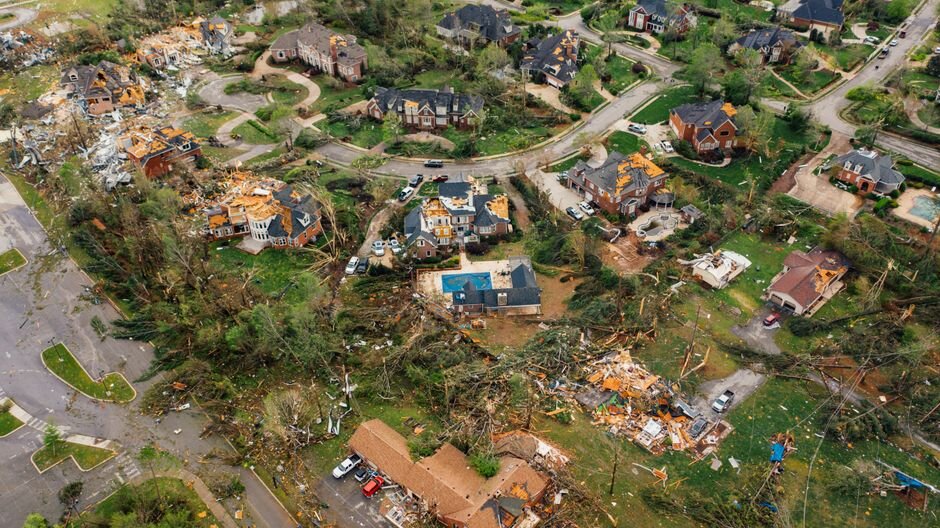
Standard homeowners insurance covers wind damage, but flood damage requires separate flood insurance, a distinction that catches plenty of homeowners off guard after a hurricane brings both wind and flooding together. Understanding exactly what your specific policy covers, and what it doesn’t, shapes your entire decision about repairing versus selling, since a gap between actual damage and available insurance proceeds is precisely the situation that makes selling as-is the more realistic path forward for many storm-affected homeowners.
Repair, Rebuild, or Sell: Weighing the Real Options
Repairing means fronting money, sometimes considerably more than insurance actually covers, managing contractors in a market where storm-related demand has driven up both prices and wait times, and living through months of construction. Rebuilding from significant structural damage is an even larger undertaking. Selling as-is means neither of these, you collect whatever insurance proceeds you’re entitled to and let the buyer handle repairs or rebuilding on their own timeline and their own terms.
Why Contractor Availability Becomes a Real Problem After a Storm
A significant storm affecting a wide area creates surging demand for roofers, contractors, and repair specialists all at once, meaning wait times that might normally run weeks can stretch to months, and pricing tends to climb alongside that demand. This is exactly why plenty of storm-affected homeowners who initially planned to repair end up reconsidering once they discover the realistic timeline and cost involved in getting a contractor scheduled at all, let alone at a reasonable price.
This dynamic tends to compound in the months immediately following a major regional storm event, when demand spikes across an entire metro area simultaneously rather than trickling in gradually. Reputable contractors already booked out for months get flooded with additional requests, and homeowners sometimes find themselves choosing between waiting far longer than expected for a trusted contractor or taking a chance on someone less established simply to get work started sooner. Neither option feels great, and it’s precisely this bind that makes selling as-is to a buyer who’ll handle repairs on their own timeline a genuinely appealing alternative for homeowners who don’t want to navigate a saturated, unpredictable contractor market during an already stressful recovery period.
What Buyers Actually Want to Know
Buyers considering a storm-damaged property want honest, complete information: the extent of damage, what’s been addressed versus what remains, and current flood zone and insurance cost details. Being transparent about all of this upfront, rather than letting a buyer discover surprises during their own inspection, builds trust and attracts genuinely serious buyers, typically investors and cash buyers comfortable taking on repair or rebuild projects that traditional financed buyers’ lenders won’t approve.
Documenting the damage thoroughly before any cleanup or temporary repairs begin matters both for your own insurance claim and for any future buyer conversation. Photographs from multiple angles, a written record of what was damaged and when, and copies of any adjuster reports or contractor estimates you’ve already obtained all give a prospective buyer genuine confidence that they’re getting an accurate, complete picture rather than a seller’s best guess about the property’s actual condition. This kind of organized documentation often speeds up serious offers considerably, since it removes a layer of due diligence a buyer would otherwise need to complete themselves before feeling comfortable making a firm offer.
Why Traditional Financing Rarely Works Here
Financed buyers need a house to pass both appraisal and inspection standards, requirements a storm-damaged property often can’t meet regardless of how motivated the buyer might otherwise be. This effectively eliminates most traditional buyers from the pool immediately after a disaster, leaving direct cash buyers as often the only realistic path to a relatively fast sale while significant damage remains unaddressed.
Selling As-Is After Storm Damage
House Buyer Joe buys storm-damaged houses in Jacksonville directly, in whatever condition the storm left them, without requiring repairs first. This matters enormously for homeowners who don’t have the extra capital to front repair costs beyond what insurance covers, or who simply don’t want to manage a lengthy rebuild process during an already difficult time. No repairs, no commissions, and no waiting on a contractor’s storm-season backlog before you can move forward with a sale.
This is especially valuable for homeowners who’ve concluded that rebuilding on the same lot, given everything involved, genuinely isn’t the right path forward for their specific situation, whether that’s due to the scope of damage, changed life circumstances, or simply wanting a fresh start elsewhere rather than reconstructing what was lost.
A Necessary Note on Insurance and Legal Complexity
Insurance claims after a major disaster can involve genuine complexity, disputes over coverage scope, adjuster disagreements, and deadlines that vary by policy. This isn’t legal or insurance advice, and it’s worth working with a public adjuster or attorney if your claim involves significant disagreement with your insurer before finalizing decisions about repair or sale. The Florida Department of Financial Services consumer resources provide guidance specific to storm-related insurance claims and your rights during the process. The FEMA Flood Map Service Center can also confirm your property’s flood zone designation, useful context for both insurance conversations and any future buyer’s due diligence process.
How Josiah Approaches Post-Disaster Sales
Josiah has worked with Jacksonville homeowners navigating storm damage before, understanding that this decision often comes during a genuinely difficult, disorienting time. The goal is always a fair, honest number and a straightforward process that doesn’t add unnecessary stress on top of storm recovery that’s already hard enough.
Dealing With Storm Damage Right Now?
Whatever the extent of your property’s damage, reach out to House Buyer Joe for a straightforward cash offer and a realistic conversation about your options, no obligation attached.