
An aging roof is one of the fastest ways to derail an otherwise smooth home sale, and plenty of sellers don’t realize how much weight it carries until an inspector flags it. Selling a house with an old roof in Jacksonville comes with specific challenges, financing hurdles, insurance complications, and buyer hesitation, that are worth understanding before you list, so you’re prepared for the conversation rather than blindsided by it partway through a sale.
Florida’s climate is genuinely hard on roofs, heat, humidity, and hurricane season all take a toll faster than in milder climates, so roof age matters more here than it might in a lot of other parts of the country. A roof that would raise no eyebrows in a drier, cooler state can be a real sticking point on a Jacksonville sale.
Why Roof Age Specifically Trips Up Financing
Many lenders, and the insurers behind homeowners policies required for a mortgage, set specific age thresholds for roofs, often somewhere around 15 to 20 years depending on the material and the specific lender or carrier. A roof past that threshold can mean a buyer’s loan gets conditioned on roof replacement or repair before closing, or an insurance carrier declines to write a policy at all, either of which can stall or kill a sale that otherwise looked done.
This creates a genuinely frustrating situation for sellers, since a roof that’s still functionally sound, no active leaks, no missing shingles, can still trigger this exact problem purely because of its age on paper. The roof doesn’t have to be failing to cause a financing headache, it just has to be old enough to fall outside what a specific lender or insurer is willing to underwrite.
The Insurance Problem Is Often Worse Than the Financing Problem
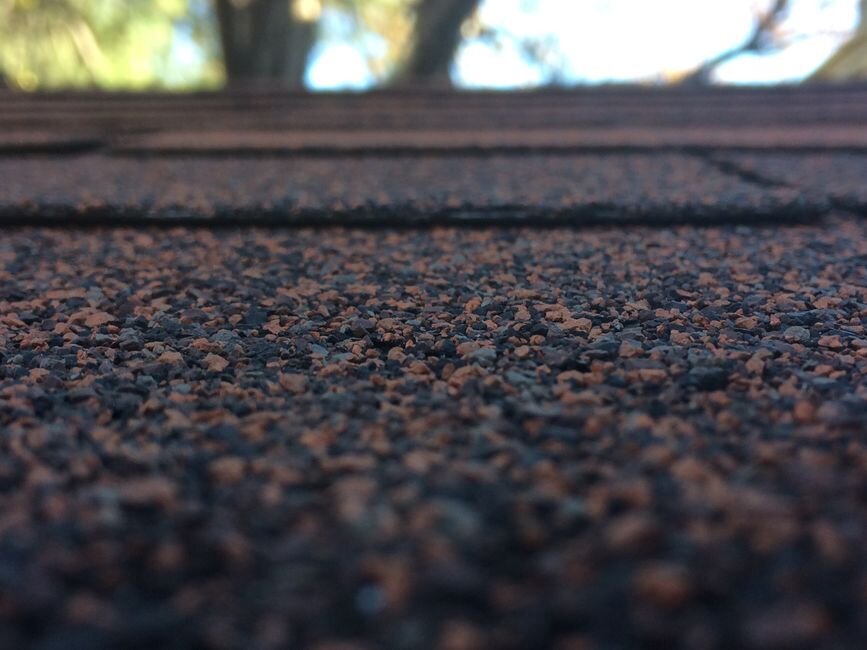
Florida’s homeowners insurance market has tightened considerably in recent years, and roof age is one of the first things carriers look at when deciding whether to write a new policy. A buyer who can’t get insurance can’t close a financed purchase at all, regardless of how strong their loan approval otherwise looks, since lenders require proof of insurance before funding.
Some carriers will insure an older roof but at a noticeably higher premium, which then affects the buyer’s overall monthly payment and debt-to-income calculation, sometimes enough to change what they can actually qualify to borrow. A seller who assumes the roof issue is purely about repair cost is often missing this second, sometimes larger, insurance-driven complication layered on top of it.
What a Roof Replacement or Repair Actually Costs
A full roof replacement in the Jacksonville area typically runs several thousand dollars into the five-figure range depending on the home’s size and roofing material, a genuinely significant expense for a seller to absorb right before a sale, especially one already managing other moving costs. Partial repairs cost considerably less but don’t always resolve the underlying age issue that’s actually triggering the lender or insurer’s concern in the first place.
Here’s an honest opinion I’ll stand behind: most homeowners lose more money replacing a roof right before selling than they’d recover in a higher sale price, especially when the home would otherwise sell reasonably well as-is to the right buyer. That math doesn’t hold in every single case, a genuinely failing roof with active leaks is a different situation, but it’s worth running the actual numbers before assuming replacement is automatically the right move.
Getting a Roof Certification Instead of a Full Replacement
Some sellers get a roof inspection or certification from a licensed roofer confirming the roof has a certain number of years of remaining life, which can sometimes satisfy an insurer or lender without a full replacement. This costs far less than replacement and can be worth pursuing before assuming the only options are “replace it” or “watch the deal fall apart.”
This isn’t a guaranteed fix, some carriers simply won’t budge past their own age cutoff regardless of a certification, but it’s a reasonable first step before committing to a full replacement that may not even be strictly necessary for every buyer’s specific lender and insurer combination.
What Happens When an Interested Buyer Walks Away Over This
The most common way an old roof actually kills a sale isn’t a dramatic single rejection, it’s a slow accumulation of small hesitations across multiple buyers. One buyer’s lender flags the age and requires a credit the seller isn’t willing to give. The next buyer’s insurance quote comes back high enough that their monthly payment no longer works for their budget, so they quietly withdraw their offer without ever explaining why. A third buyer simply moves on to a comparable house down the street with a newer roof rather than deal with any of it.
From the seller’s side, this looks like a string of unrelated, disappointing showings and offers that fall through for seemingly different reasons. In reality, it’s frequently the same underlying issue showing up in different disguises depending on which lender and insurer each buyer happened to be working with. Recognizing this pattern early, rather than after the third deal has already fallen apart, saves real time and frustration.
This is also where a seller who’s already spent money on a partial repair or a certification can still find themselves back at square one, since a certification that satisfies one buyer’s insurer doesn’t automatically satisfy the next buyer’s different carrier. Each new buyer effectively restarts this whole evaluation from scratch, which is part of why an old roof can turn one listing into what feels like several separate, exhausting sales processes stacked on top of each other.
How This Plays Out with a Traditional Buyer vs. a Cash Buyer
A traditionally financed buyer brings all of these complications into the transaction, their specific lender’s age cutoff, their specific insurer’s willingness to write a policy, and whatever repair or credit negotiation follows an inspection flagging the roof. Each of these is a separate point where the deal can stall or collapse entirely, often late in the process after both sides have already invested real time.
House Buyer Joe buys houses in Jacksonville with roofs of any age or condition, without requiring replacement, certification, or any repair before closing. Since there’s no lender or insurance underwriting involved in a direct cash sale, an old roof that would otherwise threaten a traditional sale simply isn’t an obstacle to closing.
Weighing Replacement Cost Against a Direct Cash Offer
Before committing thousands of dollars to a roof replacement purely to make a house financeable, it’s worth getting an actual cash offer from House Buyer Joe first and comparing the two numbers side by side. Sometimes replacement genuinely makes sense, particularly if the roof is actively failing and affecting the home’s livability beyond just the financing question. Often, though, the math favors selling as-is once you account for the replacement cost, the weeks spent scheduling and completing the work, and the carrying costs that accumulate during that time.
House Buyer Joe’s offers already account for roof condition and age as part of the overall property evaluation, meaning there’s no separate negotiation over roof credits or repair demands layered on top of an already-agreed price. That single number is the number, which removes an entire category of last-minute renegotiation that traditional buyers routinely introduce once an inspector’s report comes back.
A Quick Story on Just How Rough These Roofs Can Get
I’ve bought houses with roofs that had tarps stapled over more sections than actual shingles, patched so many times over the years that the original roofline was barely visible under the repairs. One I remember distinctly had enough mismatched shingle colors up there to look like a quilt someone’s grandmother stitched together during a decade-long project. The house underneath was perfectly fine, and it sold and closed without anyone needing to touch that roof first.
What to Check Before You List
Knowing your roof’s actual age, material, and any past repair history before listing helps you anticipate this issue rather than discovering it mid-transaction when a buyer’s inspector or lender flags it. The Insurance Information Institute’s guidance on roofs and homeowners insurance is a useful starting point for understanding how carriers actually evaluate this, and the Florida Office of Insurance Regulation publishes information relevant to the state’s specific insurance market conditions affecting older roofs.
Why This Matters More in Jacksonville Specifically
Between hurricane exposure, humidity, and intense summer sun, roofs in this area age faster than in plenty of other markets, which means this exact scenario comes up more often here than a seller relocating from a milder climate might expect. Understanding that going in helps you set realistic expectations rather than being caught off guard by how seriously local lenders and insurers treat roof age.
Considering Your Options with an Aging Roof?
Whether your roof is a genuine problem or just old enough on paper to spook a lender, reach out for a straightforward cash offer that skips the inspection, financing, and insurance obstacles entirely, no obligation attached.