
Foundation problems carry a reputation as one of the scariest issues a homeowner can discover, and that reputation isn’t entirely undeserved, but it also doesn’t mean your house is unsellable. Selling a house with foundation problems in Jacksonville is genuinely possible, and understanding what actually matters, the specific type and severity of the issue, not just the word “foundation” itself, helps you approach the sale realistically rather than panicking at the diagnosis.
Florida’s specific soil conditions, sandy in some areas, more clay-heavy in others, combined with the state’s wet climate and occasional drought cycles, make foundation movement a genuinely common issue across Jacksonville rather than a rare, isolated problem. Understanding this broader context helps put your specific situation into perspective rather than assuming your house is uniquely troubled.
Not All Foundation Issues Are Equally Serious
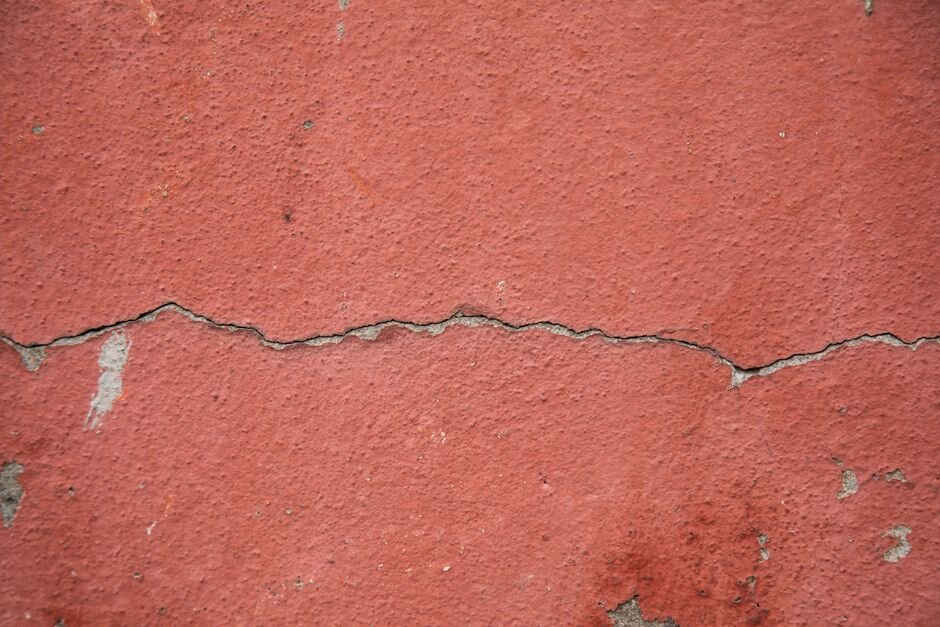
Minor settling cracks, hairline cracks in a slab or block foundation that haven’t worsened over time, are common in Florida and often more cosmetic than structural. Active, worsening cracks, doors and windows that no longer close properly, or visible separation between walls and ceilings point toward more serious structural movement requiring real evaluation and likely repair before the issue stabilizes on its own.
A structural engineer’s evaluation, distinct from a general home inspector’s assessment, is the only way to genuinely know which category your specific situation falls into. This distinction matters enormously for how you approach a sale, since a minor, stable issue disclosed honestly is a very different conversation than an active, worsening structural problem still evolving over time.
Why Financed Buyers Struggle With This Specific Issue
Lenders are particularly cautious about foundation issues, since they affect the property’s fundamental structural integrity and long-term value, meaning an appraisal or inspection flagging foundation problems can stall or kill a financed sale even when the seller is willing to negotiate on price. Foundation repairs also carry a wide cost range depending on severity, from a few thousand dollars for minor stabilization to tens of thousands for serious structural work, making it hard for a financed buyer’s lender to simply approve the loan with an open-ended repair contingency.
This uncertainty is exactly why traditional buyers, even motivated ones, often walk away from foundation-affected properties rather than proceeding, not necessarily because the issue is unfixable, but because their specific financing simply can’t accommodate the uncertainty involved.
Getting an Honest Repair Estimate First
Before deciding how to approach a sale, getting a real quote from a licensed foundation repair specialist, not just a general contractor, gives you an accurate number to work with rather than guessing. This quote becomes useful both for your own decision-making and for informing a serious cash buyer’s evaluation, since a documented, professional estimate speaks louder than a seller’s own assessment of the situation. The National Association of Realtors publishes broader data on how structural issues affect sale timelines and pricing nationally, useful context for setting realistic expectations about your own situation.
Getting quotes from at least two specialists is worth the extra time, since foundation repair estimates can vary considerably between companies depending on their specific approach and equipment, and a second opinion helps confirm whether an initial quote reflects genuinely necessary work or includes upselling toward a more expensive fix than the situation actually requires.
Disclosure Obligations You Genuinely Need to Understand
Florida law requires sellers to disclose known material defects, and foundation issues you’re aware of absolutely fall into this category. Attempting to hide or paint over a known foundation problem creates real legal exposure if a buyer discovers it after closing, exposure that considerably outweighs whatever short-term advantage nondisclosure might seem to offer during a sale.
Being upfront about the issue from the very first conversation with any potential buyer, rather than waiting for it to surface during an inspection, builds trust and attracts buyers who’ve already decided they’re comfortable with the situation, rather than buyers who’ll walk away angry once they discover something that should have been disclosed from the start.
Repair, Then Sell, or Sell As-Is?
Repairing before selling can widen your buyer pool to include traditional financed buyers, but it requires real upfront capital and time, sometimes weeks or months depending on the repair’s scope and contractor availability. Selling as-is means accepting a lower price reflecting the repair cost, but it means avoiding that upfront investment and the uncertainty of whether the repair will actually pay for itself in a higher eventual sale price.
This decision depends heavily on your specific financial situation and timeline. A seller with capital and time might reasonably choose to repair first, while a seller facing a tighter timeline or without the capital to front repair costs is often better served selling as-is to a buyer already prepared for this specific situation.
It’s worth running the actual math on both paths before deciding, rather than assuming repairing automatically nets more money. Factor in the full repair cost, the carrying costs during however long repairs take, and a realistic sense of how much a repaired house would actually sell for compared to what a direct cash buyer offers today. Sometimes the math genuinely favors repairing first, sometimes it doesn’t, and the only way to know for certain is comparing real numbers rather than a general assumption that fixing problems always pays off in a home sale.
Selling As-Is With Foundation Issues
House Buyer Joe buys houses in Jacksonville with foundation problems directly, factoring the actual repair cost into a fair cash offer rather than requiring you to complete repairs first. This removes the burden of finding a specialist, fronting repair costs, and managing a repair project before you can even list, letting you sell based on your house’s actual current condition.
A Necessary Note on Documentation
The Florida Bar’s consumer resource center covers general disclosure obligations for Florida home sellers, though this isn’t legal advice, and an attorney should review your specific situation and disclosure documents before finalizing any sale involving a known structural issue.
Why Josiah Approaches These Sales Honestly
Having spent 11 years as a licensed realtor before starting House Buyer Joe, Josiah understands foundation issues well enough to have honest, direct conversations about severity and realistic repair costs, rather than either dismissing legitimate concerns or overstating minor ones. That balanced perspective shapes every offer, grounded in what a foundation issue actually means for your specific house rather than a knee-jerk reaction to the word itself.
Dealing With a Foundation Issue Right Now?
Whatever the extent of your foundation problem, reach out to House Buyer Joe for a straightforward cash offer that honestly accounts for your house’s actual condition, no obligation attached.