
Finding out someone’s living in a house you own, without permission, without a lease, and without any legal right to be there, is one of the more unsettling situations a homeowner can face. Selling a house with squatters in Jacksonville comes with its own legal process and its own set of complications for a traditional sale, and understanding both before you act helps you avoid making the situation worse through a well-intentioned but legally incorrect response.
This comes up more often than people expect, vacant inherited houses, a property between tenants, a house sitting empty during a slow renovation or a drawn-out family decision. Vacancy itself is often the invitation, and once someone’s established some presence inside, removing them isn’t as simple as changing the locks.
Why You Can’t Just Change the Locks
Florida law treats an occupant who’s been living in a property for a certain length of time, even without permission, as someone who may be entitled to formal eviction proceedings rather than simple removal. Attempting a “self-help eviction,” changing locks, removing belongings, shutting off utilities to force someone out, can expose the homeowner to real legal liability, even though the squatter had no legal right to be there in the first place.
This feels deeply unfair to homeowners, and understandably so, but the law exists this way specifically to prevent property owners from taking matters into their own hands against actual tenants in legitimate disputes, and squatters can sometimes exploit that same protection. The correct, legal path is slower than most owners want, but it’s also the path that actually holds up if the situation escalates into a dispute.
The Actual Legal Process for Removal
Removing a squatter properly generally requires filing for an unlawful detainer or eviction action through the court, providing proper notice, and obtaining a court order before law enforcement can remove the occupant. This process takes real time, often several weeks at minimum, and requires paperwork filed correctly the first time to avoid restarting the clock over a technicality.
If the squatter claims any kind of tenancy, even an informal one, verbal agreement, prior rent payments, however dubious, the process can become more complicated and take longer, sometimes requiring the homeowner to prove the absence of a legitimate tenancy before the court will proceed with removal on the more straightforward “no legal right to be there” basis.
Documenting Everything Before You Act
Photos of the property’s condition, any evidence of unauthorized entry, and a clear timeline of when you discovered the occupation all matter if the situation ends up in front of a judge. Reacting emotionally in the moment, confronting the occupant directly, threatening removal yourself, can create complications down the line even when your underlying position is completely legitimate.
Filing a police report for trespassing is a reasonable first step, though law enforcement’s willingness to remove someone immediately varies depending on how established their presence appears and whether they’re claiming any form of tenancy, which is exactly why the formal legal process exists as the reliable backstop when a quick police response isn’t available.
Insurance Complications an Unauthorized Occupant Creates
Many homeowners insurance policies include vacancy clauses that limit or void coverage once a property sits unoccupied past a certain number of days, and an unauthorized occupant complicates this further since the property isn’t technically vacant but also isn’t occupied by anyone the policy recognizes as covered. If damage occurs while a squatter is present, fire, vandalism, plumbing failure, the insurance claim process can become considerably more complicated than a straightforward claim on a normally occupied or properly vacant property.
Notifying your insurance carrier as soon as you discover an unauthorized occupant is worth doing immediately, both to understand exactly where your specific policy stands and to create a documented timeline showing you acted promptly once you became aware of the situation. Waiting to report this, hoping to resolve it quietly first, can complicate a future claim if damage does occur before the occupant is removed.
What Happens If the Squatter Damages the Property
Unauthorized occupants sometimes cause real damage, intentionally or simply through the kind of wear that comes from living somewhere without any investment in maintaining it, and pursuing that person directly for damages is often impractical even when legally possible, since squatters frequently have no meaningful assets to collect from even after a successful judgment. This is part of why acting quickly to secure a property and start the legal removal process matters, every additional week of occupancy is another week of potential damage accumulating with little realistic path to recovering those costs afterward.
House Buyer Joe factors this kind of accumulated damage into an honest cash offer rather than asking a seller to first repair everything a squatter may have damaged before a sale can happen, which matters considerably for an owner who’s already dealing with the stress and legal process of removal without also fronting repair costs on top of it.
What This Means for Selling the House
A house currently occupied by squatters is genuinely difficult to sell traditionally, buyers and their agents want to actually walk through a property, and a mortgage lender’s appraisal process requires interior access that an unauthorized occupant may not allow. This effectively freezes a traditional sale until the occupant is legally removed, which can take weeks or months depending on how the case proceeds through the court.
House Buyer Joe buys houses in Jacksonville with squatters currently in place, working directly with the seller to navigate the legal removal process as part of the transaction rather than requiring it to be fully resolved before an offer can even be made. This removes the frozen-in-place feeling that comes with a traditional listing sitting unshowable for months while the legal process plays out.
A Story on Just How Bold This Can Get
I’ve seen squatters set up what basically amounted to an actual flea market outside a vacant property before we could get it properly secured, folding tables, merchandise, the whole operation, right there on a lot that wasn’t theirs to use. It’s a genuinely wild reminder of just how quickly an unsecured, vacant property can attract activity nobody authorized, and why securing a vacant house quickly matters as much as the eventual sale itself.
How Inherited and Estate Properties Get Targeted Specifically
Squatters often specifically target properties that show signs of prolonged vacancy, overgrown lawns, accumulated mail, no visible activity, which makes inherited houses and estate properties genuinely common targets while heirs work through probate or simply haven’t decided what to do with the property yet. The gap between inheriting a house and actually taking action on it, sometimes months while family members sort out next steps, is exactly the window where an unauthorized occupant can move in unnoticed.
Heirs juggling grief, probate paperwork, and coordination among multiple family members understandably don’t always prioritize regular check-ins on a vacant property, and that’s precisely the situation worth changing as soon as a house becomes vacant through inheritance, even a simple weekly drive-by or asking a neighbor to keep an eye on things meaningfully reduces the odds of this exact problem developing while the family sorts out its plans.
Why Securing a Vacant House Matters So Much
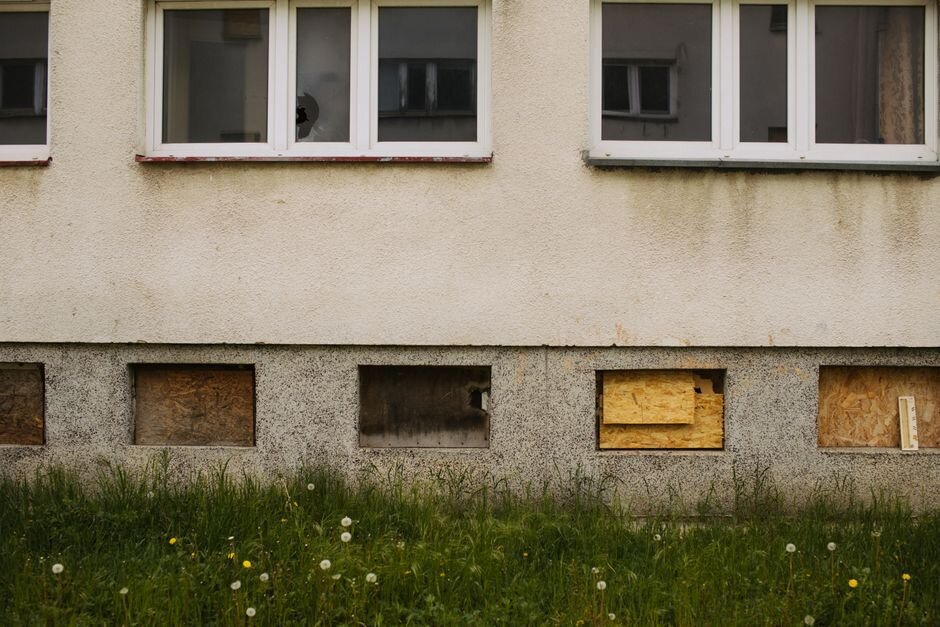
Boarding windows, changing locks before anyone moves in, installing visible security measures, and checking on a vacant property regularly all reduce the odds of ever facing this situation in the first place. Prevention is considerably cheaper and faster than the legal removal process, and it’s worth treating seriously for any house that’s going to sit empty for more than a few weeks, whether during a renovation, a probate process, or simply between owners.
A simple, visible sign that a property is actively monitored, a security camera, a “no trespassing” notice, a neighbor who’s been asked to keep an eye on things, often deters this kind of activity before it starts, since anyone scouting a vacant property for exactly this purpose is usually looking for the easiest, least-watched option available rather than one that shows clear signs of ongoing attention.
A Necessary Disclaimer
Squatter and unlawful detainer law involves specific procedural requirements that vary by exact circumstances, and this isn’t legal advice. An attorney familiar with Florida landlord-tenant and property law should review your specific situation, including any claims the occupant makes, before you take any action to remove someone from your property.
Where to Get Reliable Guidance
The Florida Bar’s consumer resources cover general landlord-tenant and property rights information, and Florida Courts Help provides guidance on the eviction and unlawful detainer filing process specific to this state.
Dealing with This Situation Right Now?
Reach out to talk through your specific situation and get a real cash offer that accounts for the current occupancy, no obligation attached, and no need to wait until the legal process is fully resolved before starting that conversation.
Whether you’re just discovering the occupation today or you’re already several weeks into the legal process, there’s value in getting that conversation started now rather than waiting for every piece of the situation to be fully settled first.