
Water damage and the mold that often follows it scare off traditional buyers faster than almost any other condition issue out there, partly because it’s genuinely hazardous and partly because nobody truly knows how deep the problem actually goes until walls come open and get inspected properly. Selling a house with water or mold damage in Jacksonville is absolutely possible without spending money you don’t have on remediation first, and understanding how this actually works helps you avoid both wasted repair spending and a lowball offer built on exaggerated fear rather than real cost.
Why This Condition Scares Financed Buyers So Much
Mortgage lenders generally require an appraisal and, depending on loan type, a fairly strict inspection, and visible mold or evidence of past water intrusion is one of the fastest ways to derail that approval process entirely. FHA and VA loans in particular have minimum property standards that can outright disqualify a home with active mold, meaning a large share of the traditional buyer pool is off the table before your house ever gets a serious offer, regardless of how fair the asking price is.
Even buyers using conventional financing without those stricter standards often get spooked once an inspector’s report uses the word “mold” in writing, since it opens up questions about hidden damage, air quality, and remediation costs that most buyers aren’t equipped to evaluate confidently on their own.
Not All Water Damage Is Equally Serious
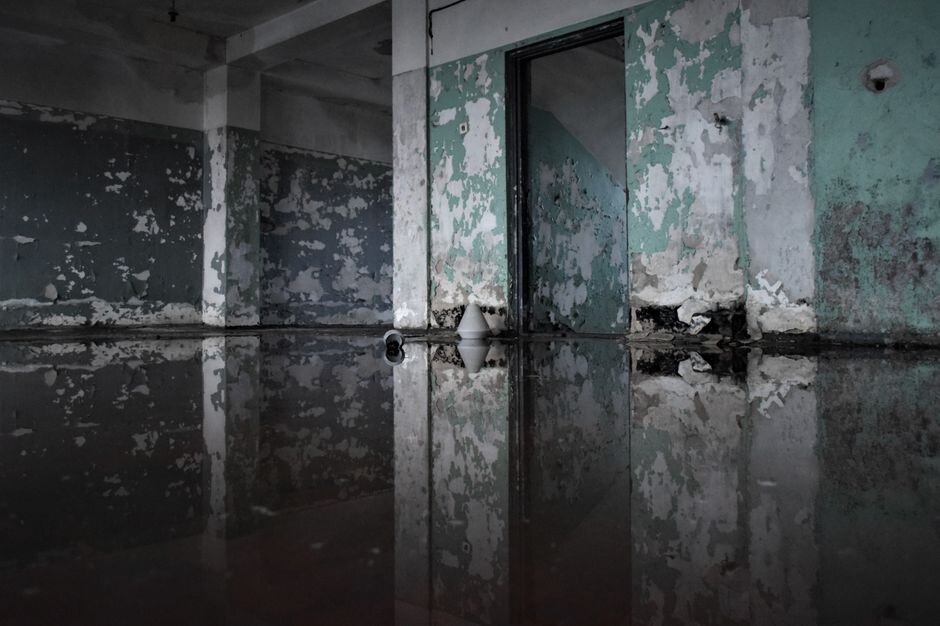
A single contained incident, a burst pipe caught quickly and dried out properly right away, is a genuinely very different situation than long-term, chronic moisture intrusion from a failing roof or an ongoing plumbing leak that’s been quietly causing damage for months or even years without anyone addressing it directly. The extent and duration of exposure matters enormously to both the actual remediation cost and how a buyer perceives the risk of the property overall.
Florida’s humidity makes this issue more common here than in drier climates, and it also means mold can develop faster once moisture intrusion starts, which is exactly why catching and addressing leaks quickly matters so much in a state like this one.
What Real Remediation Actually Costs
Professional mold remediation costs vary enormously depending on the affected area’s size and whether structural materials, drywall, subflooring, framing, need full replacement rather than just surface cleaning. A contained bathroom issue might run a few thousand dollars from start to finish. Extensive whole-house remediation following years of unaddressed moisture can run into the tens of thousands, sometimes rivaling the cost of major structural repairs happening elsewhere in the same home.
Getting an actual remediation quote, rather than guessing, is worth doing even if you ultimately decide to sell as-is, since knowing the real number helps you evaluate any offer honestly against what fixing it yourself would actually cost and how long that process would realistically take before the house could even go on the market.
Why “Fix It First” Often Doesn’t Pay Off Here
Remediation costs real money upfront, takes real time to complete properly, and doesn’t guarantee a buyer’s inspector won’t still flag something during a subsequent sale process, especially if the underlying moisture source, an aging roof, a slow plumbing leak, isn’t also fully addressed alongside the visible mold itself. Spending heavily on remediation without fixing the root cause is a genuinely common and expensive mistake.
Homeowners sometimes spend thousands on remediation only to have a new inspector flag the same underlying roof or plumbing issue months later, since the mold was always a symptom rather than the actual problem. Fixing symptoms without addressing causes rarely satisfies a financed buyer’s lender the second time around either.
Selling As-Is Removes This Entire Calculation
Because we buy directly with our own funds and don’t depend on a lender’s inspection standards, water and mold damage doesn’t disqualify your house from an offer the way it would with a financed buyer. We factor the actual remediation cost into the number honestly, based on what a professional assessment would likely find, not an inflated worst-case estimate meant to lowball you.
What We’re Actually Evaluating
The source and duration of the moisture issue, the visible extent of damage, and whether structural materials genuinely need full replacement all factor directly into how we build an honest offer. We’d rather you tell us honestly what you know about the history, a past leak, a known roof issue, than have us discover it independently and wonder why it wasn’t mentioned upfront.
Insurance Considerations Worth Understanding
Many standard homeowners policies exclude gradual water damage and mold specifically, covering only sudden, accidental incidents like a burst pipe. This gap surprises a lot of homeowners who assumed their policy would cover remediation, only to find a claim denied because the damage developed slowly over time rather than from one identifiable event. The National Association of Realtors’ consumer guide on damage and policy coverage covers similar principles that apply to water and mold claims as well, worth reviewing before assuming your policy covers more than it actually does.
Understanding this distinction matters most for homeowners considering whether to file a claim at all, since a denied claim still shows up in loss history reports that future insurers can see, sometimes affecting your insurability or premiums on a future property even when the claim itself was never paid out.
A Second Opinion Before You Decide Anything
If you want an independent read on the actual scope of damage before talking to anyone about a sale, an inspector through the American Society of Home Inspectors can give you an unbiased, professional assessment that’s genuinely useful regardless of which path you ultimately end up choosing for your house.
What This Looks Like With Us
Tell us what you know, we factor it honestly into the offer, and you close without spending a dollar on remediation or hiring a single contractor yourself. No inspection contingency that can blow up the deal after you’ve already mentally moved on from the house.
This is especially useful for inherited houses where nobody currently living there has firsthand knowledge of a moisture issue’s actual history, or for landlords who suspect a problem but haven’t had the time or budget to properly investigate it themselves. We handle that assessment as part of putting together a fair offer.
Ready for an Honest Number?
Whatever’s actually going on with the house, tell us straight and we’ll give you a straight offer back, no judgment about how the damage happened or how long it went unaddressed before you finally decided to deal with it.