
Years of postponed repairs on a mobile home add up differently than on a site-built house, and by the time an owner is ready to sell, deferred maintenance can feel like an overwhelming list rather than a few manageable items. Selling a mobile home with deferred maintenance in Jacksonville is genuinely possible without tackling that entire list first, though understanding how buyers and financing actually work for this specific situation helps set realistic expectations.
Deferred maintenance on a mobile home also tends to compound faster than on site-built construction, since manufactured housing materials and systems weren’t always built with the same long-term durability expectations as traditional construction. A small roof leak ignored for a season can spread water damage considerably faster through a mobile home’s structure than through a house with a traditional foundation and framing.
Why Deferred Maintenance Hits Mobile Homes Harder
Roof leaks, skirting damage, and subfloor issues from moisture intrusion are common results of postponed maintenance specific to manufactured housing, and they tend to compound faster than similar issues in site-built homes due to differences in construction materials and methods. A leak that would be a contained, manageable repair in a traditional home can spread more extensively through a mobile home’s structure before it’s even noticed.
HVAC systems and water heaters in manufactured homes also tend to have different service life expectations than their site-built counterparts, meaning deferred maintenance on these systems specifically can leave a mobile home considerably further behind current standards than an owner might realize until a serious evaluation actually happens.
Why Traditional Financing Becomes Nearly Impossible
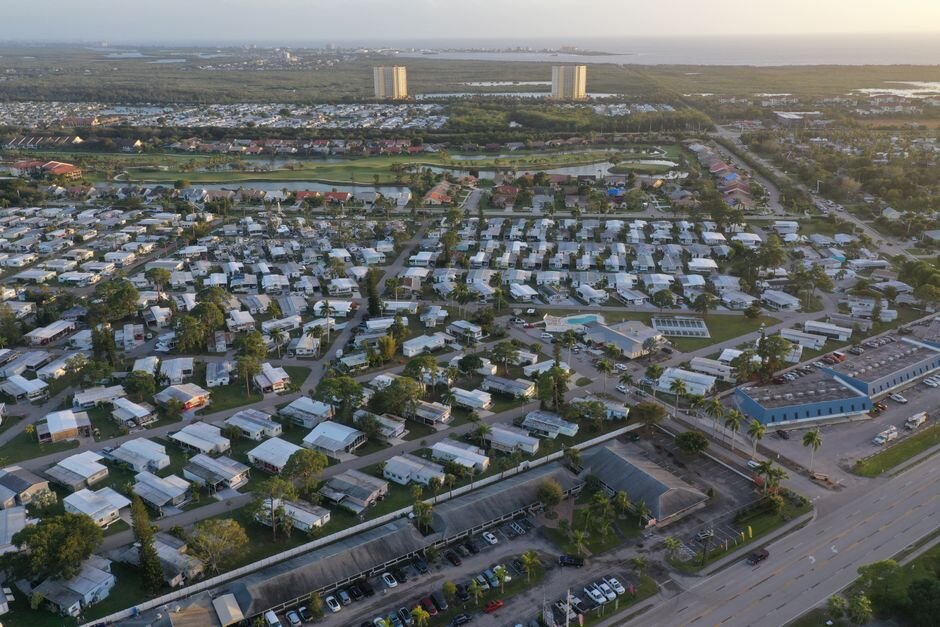
Manufactured home loans already carry stricter qualification requirements than conventional mortgages, and significant deferred maintenance makes qualifying even harder, since lenders generally require the home to meet specific condition and safety standards before approving financing at all. A mobile home with serious deferred maintenance often simply doesn’t qualify for any traditional financing option, regardless of how motivated a buyer might be.
This effectively shrinks the buyer pool down to cash buyers exclusively, since anyone needing financing to complete the purchase runs into the same qualification wall regardless of which specific lender they approach. Understanding this upfront saves considerable time that would otherwise be spent marketing to buyers who ultimately can’t secure financing anyway.
This is worth confirming directly rather than assuming, since financing rules for manufactured homes vary by lender, loan program, and the home’s specific classification. A quick conversation with a manufactured home lender about your property’s likely eligibility, before listing or marketing it broadly, gives you an accurate read on your realistic buyer pool rather than discovering the financing wall only after a promising buyer’s application gets denied weeks into the process.
What Repairs Actually Move the Needle Most
If you have some capital and want to improve marketability before selling, roof and skirting repairs tend to offer the best return relative to cost, since these are the issues most likely to concern both buyers and any inspector evaluating the property. Subfloor and moisture-related repairs matter enormously too, but they’re often more expensive and less visible than roof or skirting work, making them a harder sell to prioritize with limited repair budget.
Cosmetic issues, worn flooring, dated fixtures, faded paint, matter considerably less to the buyer pool actually interested in a deferred-maintenance mobile home, since this pool skews heavily toward investors and cash buyers already expecting to invest in updates themselves. Prioritizing structural and systems repairs over cosmetic ones makes more sense if your repair budget is genuinely limited.
Getting a straightforward, written estimate from a licensed contractor before deciding what to tackle helps avoid guessing at costs and over- or under-investing relative to what a repair would actually recoup at sale. Some owners spend considerably more on cosmetic updates than the eventual sale price ever reflects, simply because they assumed buyers would care more about appearance than the investor-heavy buyer pool for a deferred-maintenance mobile home actually does in practice.
Land Ownership Status Still Matters Enormously
Whether your mobile home sits on owned land or a leased lot in a community affects value and buyer pool just as much with deferred maintenance as it does with a well-maintained home, sometimes more, since a leased-lot home with deferred maintenance combines two factors that both narrow the pool of interested, qualified buyers considerably. Understanding exactly where your specific situation falls on this spectrum matters for setting realistic expectations.
Owned-land mobile homes with deferred maintenance still retain more value than leased-lot equivalents, since the land itself carries independent value regardless of the home’s condition. This distinction is worth understanding clearly before assuming a rough, generic value estimate applies to your specific situation.
Community rules and lot rent stability also factor in more than owners sometimes expect when a home also carries deferred maintenance. A community with rising fees or inconsistent enforcement of maintenance standards can compound a leased-lot home’s already narrower value proposition, since buyers weighing a deferred-maintenance home in a less stable community are essentially evaluating two separate risk factors stacked on top of each other rather than just the home’s condition in isolation.
Selling As-Is Without Tackling the Repair List
House Buyer Joe buys mobile homes in Jacksonville with deferred maintenance exactly as they sit, on owned or leased land, without requiring any repairs first. This removes the pressure to prioritize and fund repairs before you can even find a serious buyer, letting you sell based on your home’s actual current condition rather than an idealized, repaired version you’d need to invest in first.
This is especially valuable for inherited mobile homes where the current owner doesn’t have the capital or local knowledge to manage a repair project themselves, or for owners who’ve simply reached the point where continued deferred maintenance no longer makes sense given their circumstances.
Getting Accurate Information About Your Home’s Status
The HUD Office of Manufactured Housing Programs provides background on construction standards relevant to understanding your home’s classification, while the Duval County Property Appraiser can confirm whether your home is currently assessed as real property or personal property.
Why Josiah Understands This Category Well
Josiah’s experience across Jacksonville’s full range of housing types, including plenty of manufactured home transactions with varying levels of deferred maintenance, means House Buyer Joe evaluates these properties fairly based on actual condition rather than applying assumptions that don’t fit this specific housing category.
Ready to Sell Without Tackling Repairs First?
Whatever condition your mobile home is in, reach out to House Buyer Joe for a straightforward cash offer that honestly reflects your home’s actual situation, no obligation attached.