
The house that once felt too small for a growing family can start to feel strangely large once the kids are grown and gone. Bedrooms sit empty most of the year, the yard that used to host birthday parties now just needs mowing, and the mortgage, taxes, and upkeep on a five-bedroom house no longer match how two people actually live day to day. Selling the family home after the kids move out in Jacksonville is a genuinely common transition, and it comes with its own specific mix of practical and emotional considerations worth thinking through clearly.
Why This Decision Feels Different Than a Typical Sale
A house you raised a family in carries memories that a straightforward financial calculation doesn’t fully capture, first steps, holiday dinners, a doorframe covered in pencil marks tracking how tall everyone got over the years. It’s genuinely normal for this decision to take longer to sit with than a typical move, and there’s no need to rush it faster than actually feels right, even once the practical case for downsizing is clear.
The Practical Case for Downsizing
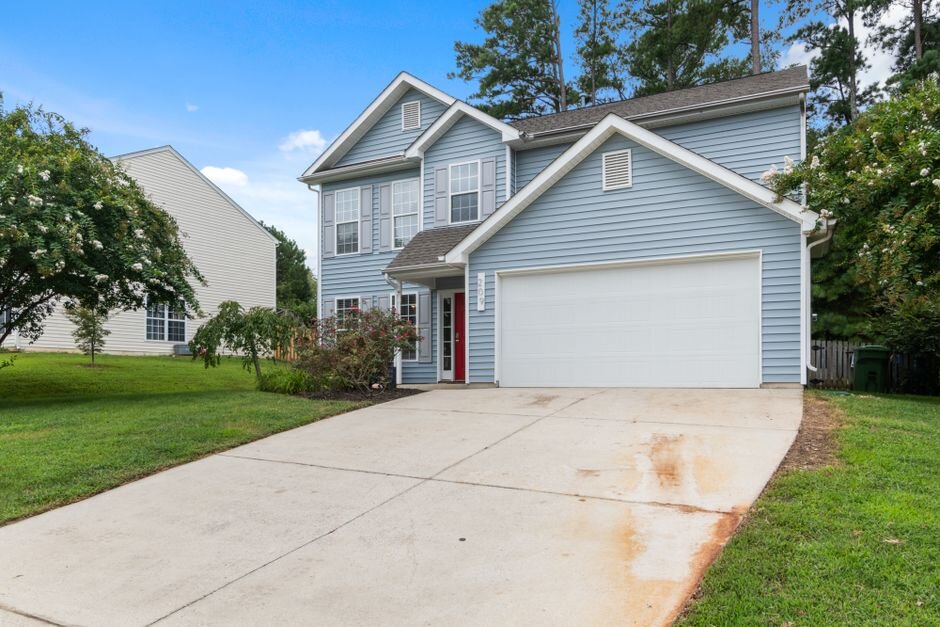
Beyond the emotional side, the financial math often genuinely favors moving to something smaller. A larger house means higher property taxes, more expensive insurance, higher utility bills to heat and cool rooms that sit empty most of the time, and more square footage to maintain and eventually repair as systems age. Unlocking the equity built up over years of ownership can fund retirement, help with a grandchild’s education, or simply reduce monthly expenses considerably during a stage of life where a fixed or reduced income makes every dollar count more.
Maintenance is worth being honest about too. A house that was manageable with a full family sharing the workload, mowing, cleaning, repairs, can start to feel like a genuine burden once it’s just two people, or one, keeping up with all of it alone.
It’s worth actually running the numbers rather than relying on a general sense that downsizing “should” save money. Pulling your current property tax bill, insurance premium, and average utility costs, then comparing them against realistic numbers for a smaller home in a similar Jacksonville area, turns a vague financial instinct into an actual decision you can feel confident about. Some homeowners are surprised by just how much smaller the gap is, or isn’t, once they look at real figures instead of assumptions.
What to Do With Decades of Belongings
Downsizing after decades in one house usually means confronting far more belongings than a smaller next home can reasonably hold. Starting the sorting process months before an actual move, rather than the week before, makes the emotional weight of these decisions considerably more manageable. Separating items into keep, give to family, donate, and sell categories early gives you time to actually think through sentimental items instead of rushing decisions under moving-day pressure.
Offering specific items to adult children before donating or selling them broadly is worth doing directly rather than assuming, since a piece of furniture or a box of old photos might carry more meaning to a specific family member than you’d expect, and giving them the first chance to claim it avoids regret on both sides later.
For items nobody in the family wants but that still hold real value, local estate sale companies or consignment shops can handle the sale process for a percentage, saving you the time and effort of listing and coordinating pickups for dozens of individual items yourself while you’re already managing everything else the move requires.
Timing the Sale Around Your Actual Plans
Some homeowners know exactly where they’re moving next, a smaller house, a condo, closer to family, before they sell. Others sell first and figure out the next step with cash in hand and no mortgage payment creating pressure. Both approaches are genuinely valid, and which one fits depends more on your specific comfort with uncertainty than any universal right answer. The National Association of Realtors tracks broader downsizing and homeowner mobility trends that can offer useful context as you think through your own timeline.
Selling As-Is After Years of Deferred Maintenance
Houses lived in for decades often accumulate a list of updates that got postponed indefinitely, an aging roof, outdated bathrooms, a kitchen that hasn’t been touched since the kids were young. We buy houses in Jacksonville as they sit, which means you don’t need to tackle a list of repairs and updates before selling, a genuine relief for anyone who doesn’t want to manage a renovation project at this stage of life.
No commissions and a straightforward cash offer also mean you keep more of the equity you’ve spent years building, money that can directly fund whatever comes next rather than being absorbed by prepping the house for a traditional listing.
A Note on Downsizing and Retirement Planning
How home sale proceeds fit into your broader retirement or financial picture is worth discussing with a financial advisor before you commit to a specific next step, since the right move depends on factors like existing retirement savings, health considerations, and whether you plan to stay in Jacksonville or relocate elsewhere entirely. The Consumer Financial Protection Bureau’s retirement planning resources are a genuinely useful starting point for thinking through how a home sale fits into the bigger picture.
Talking It Through With Family
Adult children sometimes have their own feelings about the family home selling, even when they fully understand why it makes sense. A direct conversation, rather than presenting the decision after it’s already final, tends to go better for everyone and gives family a chance to visit or gather belongings before the house changes hands for good.
Some families find it meaningful to gather one last time in the house before it sells, whether that’s a simple dinner or an afternoon walking through rooms and sharing memories out loud. It’s a small gesture, but it often provides a sense of closure that makes the actual moving day feel less abrupt for everyone involved.
How Josiah Approaches This Transition
Josiah has worked with plenty of Jacksonville homeowners navigating exactly this stage of life, and understands that this sale often carries more emotional weight than a typical transaction. The goal is always a fair, honest number and a process that respects both the practical need to downsize and the genuine sentiment attached to a house that held an entire family’s history.
Ready to Explore Your Options?
Whether you’re ready to sell now or just starting to think through what downsizing could look like, we’re happy to give you a straightforward cash offer with no pressure and no obligation attached.