
Of all the decisions that come with a divorce, what happens to the house is often the one nobody wants to tackle first, and also the one that ends up shaping almost everything else. If you’re trying to sell your house during a divorce in Jacksonville, the practical path is usually more straightforward than the emotional one, and separating those two problems from each other tends to help.
Who Actually Decides to Sell
If the house is jointly owned, both spouses generally need to agree to a sale, or a court needs to order it as part of the divorce proceedings. This is often where things stall, one spouse wants to keep the house, the other wants it sold and split, and neither wants to be the one who “gives in” first. A judge can ultimately order a sale if the parties can’t agree, but that route takes longer and costs more than reaching an agreement directly.
Florida is an equitable distribution state, meaning marital assets get divided fairly, though not necessarily equally, based on factors like each spouse’s contribution to the marriage and their economic circumstances going forward. The house is often the single largest marital asset, which is exactly why it tends to become the focal point of the entire negotiation, sometimes overshadowing smaller but still meaningful assets that deserve equal attention.
What a Mediator Can Do That a Courtroom Can’t
Many Florida divorces resolve property questions through mediation rather than a trial, and a mediator can often help two people agree on selling and splitting proceeds far faster, and with far less cost, than litigating the issue in front of a judge. If you and your spouse can still communicate even a little, mediation is generally worth trying before assuming the house question has to be a courtroom fight.
The Timing Question
Some couples sell before the divorce is finalized to simplify the settlement, others wait until after so the house isn’t a bargaining chip during negotiations. There’s no universally right answer here. It depends on whether one spouse needs to stay in the house during the process, whether there’s equity that needs to be accessed for legal fees or a new place to live, and how amicable the split actually is.
Why a Fast, Clean Sale Often Helps
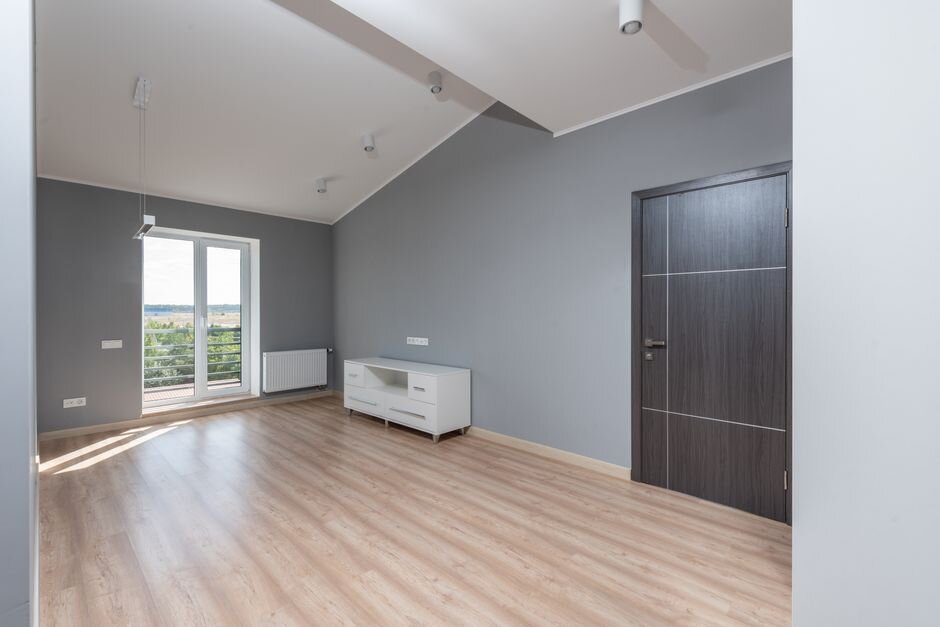
Divorce is stressful enough without also coordinating showings between two people who may not be on great speaking terms. A traditional listing means agreeing on a price, a listing agent, staging, and a schedule for who handles which showing, decisions that require ongoing cooperation exactly when cooperation is hardest to come by. A direct cash sale removes most of that friction: one offer, one closing date, no months of back-and-forth about whose turn it is to leave the house tidy for an open house.
There’s also the practical matter of repairs. A house that’s been jointly owned for years often has a list of deferred maintenance neither spouse wants to fund alone during a divorce, and arguing over who pays for a new roof or updated plumbing right as you’re also negotiating custody and asset division rarely goes well. Selling as-is sidesteps that argument entirely, since neither of you needs to spend money on the house before it sells.
Splitting the Proceeds
However the equity gets divided, whether that’s an even split, weighted by contributions, or determined by a settlement agreement, having actual cash in hand rather than a house tied up in a listing makes the division cleaner. Fewer moving pieces means fewer opportunities for disagreements to drag out the process even longer.
It’s also worth putting the division agreement in writing as part of the settlement before the sale closes, specifying exactly how proceeds will be split and who’s responsible for what closing costs, so there’s no last-minute renegotiation happening at the title company on closing day itself.
What If One Spouse Wants to Stay?
Sometimes one spouse wants to buy out the other’s share and keep the house, which is a completely separate transaction from selling to a third party, usually involving a refinance to remove the departing spouse from the mortgage. If that’s not financially realistic, which it often isn’t given how mortgage rates and household income change after a split, selling to a direct buyer and starting fresh separately tends to be the more practical outcome.
Qualifying for a refinance on a single income, especially right after a divorce when your household finances just changed dramatically, is genuinely harder than people expect going in. A lender is going to look at your individual income and debt-to-income ratio as if the marriage never happened, and plenty of spouses who assumed a buyout was straightforward find out otherwise once they actually apply.
Mortgage Payments During the Process
Whoever’s living in the house during the divorce still needs to keep the mortgage current, and letting payments lapse while waiting for the divorce to finalize creates a separate financial problem on top of an already difficult situation. If neither spouse can comfortably cover it alone, that’s often the clearest signal that selling sooner rather than later is the right call.
It’s worth checking in with the lender directly if payments are genuinely at risk during this transition. Some servicers have short-term hardship options, though divorce specifically isn’t always treated the same as a job loss or medical hardship, so don’t assume relief is automatic just because the household situation has changed.
A Quick, Honest Disclaimer
Divorce law and how marital property gets divided varies by situation, and this isn’t legal advice. The Florida Bar’s consumer pamphlet on divorce is a solid, free starting point, and the Florida Courts family law self-help resources cover forms and process basics as well. A family law attorney should still weigh in on your specific settlement before any major decision about the house gets finalized.
How This Looks in Practice
Josiah’s worked with plenty of Jacksonville couples in exactly this spot, and the conversation is never about picking sides. It’s about giving both parties a fast, fair number so the house stops being the thing the whole divorce is stuck on, whether the property’s in Mandarin, Arlington, or anywhere else in Duval County.
Ready to Talk It Through?
Whether you’re both on the call together or just one of you is starting to explore options, we’ll give you a straightforward cash offer with no pressure about which direction to take next. Divorce is hard enough without the house dragging it out any longer than it needs to, and getting one clear number is often the fastest way to move both the settlement and your life forward.