
Winter carries a well-earned reputation as the slow season for real estate nationally, but that reputation was largely built in places where snow and packed holiday schedules genuinely bring house hunting to a near-complete halt for several months at a stretch. Selling your house in Jacksonville during the winter looks meaningfully different, since Florida’s mild winters mean the seasonal slowdown here is real but considerably softer than what homeowners in colder climates experience, and understanding that difference helps you set realistic expectations rather than assuming the harshest version of “winter is slow” applies equally here.
Why Jacksonville’s Winter Isn’t Really a Dead Season
Comfortable daytime temperatures mean showings remain genuinely pleasant year-round here, unlike markets where buyers are touring homes in freezing weather or navigating snow-covered driveways just to see a property. This alone keeps buyer activity from dropping as sharply as it does in more seasonal climates, and it’s a real advantage Jacksonville sellers have that’s easy to overlook when comparing local conditions against generic national real estate advice.
Curb appeal also holds up better through a Jacksonville winter than it does in colder regions, since lawns and landscaping don’t go fully dormant the way they do further north. A house that photographs well in October generally still photographs well in January here, which isn’t something a seller in Minnesota or Ohio can say about their own listing photos.
Snowbirds and seasonal residents relocating to Florida specifically during the winter months also add a genuine, if smaller, wave of buyer demand that colder markets simply don’t have working in their favor during this same stretch of the calendar.
Fewer Listings Means Less Competition
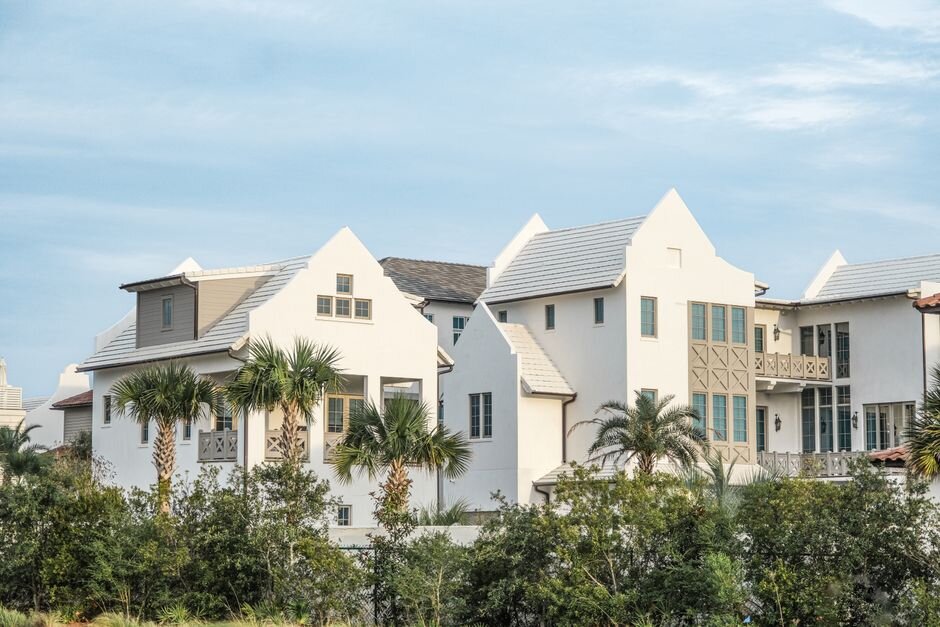
Many sellers instinctively wait for spring to list, believing it’s simply the right time to sell, which means winter inventory tends to be genuinely thinner than the rest of the year. Less competition from other sellers can mean more attention on your specific listing from the buyers who are actively looking during these months, even if the overall buyer pool is somewhat smaller than peak season.
This dynamic sometimes surprises sellers who assumed thinner buyer traffic automatically meant a worse outcome. In practice, a smaller, more serious buyer pool with fewer competing listings to choose from can produce a comparable, sometimes even better, result than fighting for attention among dozens of other spring listings all hitting the market around the same few weeks.
Who’s Actually Buying in Winter
Buyers touring homes during the holidays and into January tend to be genuinely motivated, relocating for a new job, closing out a life transition, or working against a personal deadline that doesn’t particularly care what season it happens to be. That seriousness often translates into faster, more decisive offers compared to the more casual browsing that characterizes peak spring season.
Military relocations specifically add a meaningful, steady, reliable source of winter buyer demand in a market like Jacksonville, given the significant military presence throughout the region. PCS orders don’t pause for the holidays, and families working against government-mandated timelines are often looking to buy regardless of what calendar month it happens to be.
The Holiday Stretch Specifically
Late November through early January does see a genuine, noticeable dip in activity as buyers focus their attention on holidays and family commitments rather than actively house hunting. Listing right before this window, or timing your listing for early-to-mid January instead, when serious buyers start actively looking again after the holidays wrap up, can meaningfully improve your results compared to listing directly into the slowest weeks themselves.
What Winter Doesn’t Fix or Break
A house needing significant repairs will struggle to attract financed buyers in any season, winter included, since lender requirements don’t relax just because it’s December. Conversely, a well-priced, genuinely move-in-ready home can still sell quickly in winter, proving that condition and pricing matter more to your actual outcome than which specific month you happen to list in.
This is worth remembering before assuming winter alone explains a slow sale. If a house has sat without offers through several months regardless of season, condition or pricing is far more likely the actual culprit than whatever month happens to be on the calendar.
Insurance and Storm Season Considerations
Winter falls entirely outside Florida’s hurricane season, which runs June through November, and that timing can actually work in a winter seller’s genuine favor. Buyers who were hesitant during active storm season sometimes feel more comfortable touring and making offers once that risk feels further away, even though it will return again the following summer regardless of when a specific sale happens to close.
This psychological effect matters more than people expect, particularly for homes in flood-prone areas where buyers already carry some hesitation. A winter showing, free of any active storm threat looming overhead, can present a property in a genuinely calmer, more favorable light than the same house would get touring in the middle of an active August storm warning.
Why Timing Matters Even Less for a Direct Sale
Because House Buyer Joe buys directly rather than depending on financed buyer traffic that naturally ebbs and flows with the seasons, our own timeline doesn’t really shift based on the calendar the way a traditional listing typically does. Whether it’s the slowest, quietest week of December or the busiest weekend in the middle of April, we can typically still close in two to four weeks regardless of what season it happens to be.
Current Data Worth Checking
The Freddie Mac Primary Mortgage Market Survey and Florida Realtors market data both provide current, up-to-date numbers that matter considerably more to your actual outcome than general seasonal assumptions, especially since rate movements can genuinely outweigh typical seasonal patterns in any given month regardless of the broader calendar.
If Your Timeline Doesn’t Wait for Spring
Not every seller has the luxury of waiting several months for the “better” season to eventually arrive. A job relocation, a financial deadline, or a personal situation often dictates timing far more urgently than any seasonal pattern ever could, and in those specific cases, a fast, fair number matters considerably more than chasing a theoretical spring advantage that may never actually materialize the way it does in the textbook version of how markets are supposed to work.
Want a Real Number This Winter?
Forget the seasonal debate and let us give you a straightforward cash offer based on your actual house, whatever month it happens to be on the calendar right now. Winter, spring, summer, or fall, your specific house and situation deserve a specific answer, not a generic seasonal assumption.