
Not every “we buy houses” sign or cash offer comes from an actual buyer. A real share of them come from wholesalers, people who get your house under contract at a low price, then turn around and sell that contract to someone else for a fee before ever closing themselves. Selling your house to a wholesaler in Jacksonville isn’t inherently a scam, but understanding exactly how it works helps you recognize what you’re actually agreeing to before you sign anything.
What a Wholesaler Actually Does
A wholesaler puts your house under contract at an agreed price, then markets that contract to investors, often for a fee added on top of what you agreed to sell for. They never intend to personally close on the property themselves. Their profit comes entirely from finding an end buyer willing to pay more than your contracted price before their assignment deadline runs out.
Why This Matters to You as the Seller
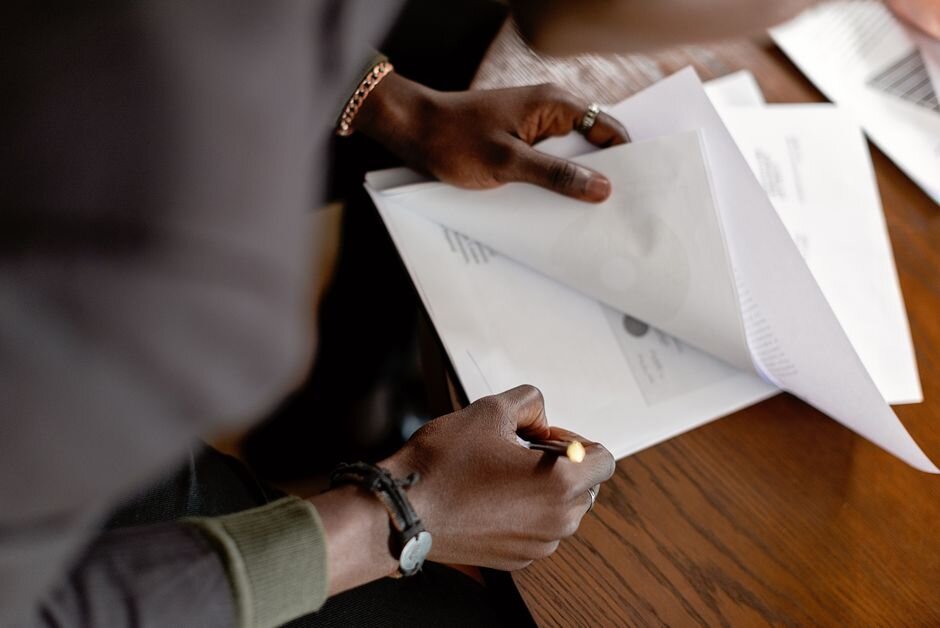
The biggest practical risk is that a wholesaler’s deal can fall through if they can’t find an end buyer before their contract deadline. Because they’re not actually funding the purchase themselves, you’re depending on their ability to market and assign the contract successfully. If that doesn’t happen, you’re back to square one, having spent weeks off the market waiting on a deal that never actually closes.
Timeline delays are another common issue. Wholesalers often build in a longer due diligence or assignment period than a direct buyer would need, since they’re using that window to find their own buyer, meaning your actual closing date can end up considerably less certain than it initially appeared.
There’s also the question of what happens to your house’s condition and marketing during that in-between period. Some wholesalers list the property or invite multiple potential end buyers to walk through it while it’s technically already under contract with you, which can feel invasive if you weren’t told upfront that this would be part of the process rather than a quiet, single-buyer transaction.
How to Tell If You’re Dealing With a Wholesaler
A few direct questions clear this up quickly. Ask whether they intend to close on the property themselves or assign the contract to another buyer. Ask how long they’ve been buying (not wholesaling) houses in Jacksonville specifically. Ask for proof of funds showing they can actually complete the purchase without depending on a third party. A legitimate direct buyer answers these questions clearly and without hesitation.
The purchase agreement itself is also worth reading closely. Assignment clauses, language allowing the buyer to transfer their rights and obligations under the contract to another party, are the clearest giveaway that you may be dealing with a wholesaler rather than an actual end buyer.
Is Wholesaling Illegal?
No, wholesaling itself is a legal, established practice within real estate investing, and plenty of legitimate wholesalers operate transparently about what they do. The concern isn’t the practice itself, it’s when a wholesaler isn’t upfront about their role, leaving a seller under the false impression they’re dealing with the actual end buyer throughout the entire process.
Why This Sometimes Still Works Out Fine
Some sellers genuinely don’t mind working with a wholesaler, especially if the price and timeline work for their situation and the wholesaler is transparent from the start about their role and process. The real issue isn’t wholesaling as a business model, it’s a lack of transparency that leaves sellers surprised partway through a transaction they didn’t fully understand when they signed.
A transparent wholesaler who tells you upfront exactly what they do, sets realistic expectations about the assignment timeline, and doesn’t pressure you into signing before you’ve had time to ask questions is operating the way the practice is actually meant to work. The red flag isn’t the business model itself, it’s a seller finding out after the fact that the person they thought was buying the house was never actually going to be the one closing on it.
How This Differs From Working With a Direct Buyer
We buy houses in Jacksonville directly, meaning the offer you receive comes from the actual entity closing on your property, not a contract being shopped around to other investors after the fact. No commissions, no assignment fees baked into a middleman’s markup, and a closing date that’s actually ours to guarantee rather than dependent on finding a third-party buyer first.
This distinction matters most when your timeline is genuinely tight, foreclosure, an urgent relocation, a legal deadline, since a wholesaler’s dependency on finding their own buyer adds a layer of uncertainty that a direct buyer simply doesn’t carry.
It’s also worth considering how a fallen-through wholesale deal affects your options afterward. If weeks pass while a wholesaler searches for an end buyer and the deal ultimately collapses, you’ve lost real time you can’t get back, time that could have gone toward a traditional listing, a direct sale, or simply making other arrangements. Understanding this risk upfront, rather than discovering it after your timeline has already tightened further, is exactly why asking the right questions before signing matters so much.
Protecting Yourself Either Way
Whether you’re considering a wholesaler or a direct buyer, having any purchase agreement reviewed by a real estate attorney before signing is reasonable due diligence, not an insult to the buyer’s legitimacy. The Florida Department of Business and Professional Regulation also allows you to verify real estate licensing where applicable, useful context if a buyer claims credentials as part of their pitch.
A Necessary Disclaimer
Real estate contracts carry real legal weight, and this isn’t legal advice. The Florida Bar’s consumer resource center is a useful general starting point, though an attorney should review any purchase agreement specific to your situation before you sign, regardless of who’s on the other side of the table.
How Josiah Approaches This Differently
Having spent years as a licensed realtor before moving into direct home buying, Josiah understands exactly why transparency about who’s actually buying your house matters. Every offer we make comes with a straightforward answer about who’s closing and when, no assignment clauses, no surprises partway through.
That background as a realtor also means understanding both sides of these transactions well enough to explain them plainly rather than hiding behind industry jargon, whether that’s clarifying how an assignment clause works or simply answering a direct question about who actually holds the funds needed to close.
Want a Straightforward Offer From an Actual Buyer?
If you’d rather deal directly with the buyer closing on your house, reach out for a clear, honest cash offer with a real closing date we can actually guarantee, no obligation attached.