
Sellers of vacant land often anchor their price expectations to what they originally paid decades ago, or to a neighbor’s story about a windfall sale years back, neither of which genuinely reflects how buyers actually value raw land today. Understanding what raw land is genuinely worth in Jacksonville from a buyer’s perspective, the actual factors driving a serious offer, helps you set realistic expectations before you ever list or call a cash buyer about your parcel.
Why Buyers Think Differently Than Sellers Here
A seller often values land based primarily on acreage and general location alone. A buyer, particularly one planning to build or resell, values it based on genuine buildability: zoning, utility access, soil conditions for septic, and how much it will actually cost to get the parcel ready for construction. Two lots of identical size can carry wildly different values once these factors are actually accounted for.
This mismatch in perspective is exactly why land negotiations sometimes stall before they even really start, a seller anchored to acreage-based math and a buyer working from a completely different, more detailed set of assumptions about cost and risk entirely.
Zoning: The First Question Every Buyer Asks
Residential, agricultural, commercial, and mixed-use zoning all carry meaningfully different values and attract entirely different buyer pools. A parcel zoned for exactly what a buyer wants to do with it is worth considerably more than one requiring a rezoning application, a process that costs real time and money and carries genuine uncertainty about the eventual outcome, sometimes taking a year or more to resolve one way or the other.
Buyers also check for any pending zoning changes or overlay districts that might affect what’s actually allowed on the parcel in the near future, since a rezoning already in progress nearby can meaningfully change a parcel’s value in either direction depending on what’s being proposed.
Utility Access Changes the Math Substantially
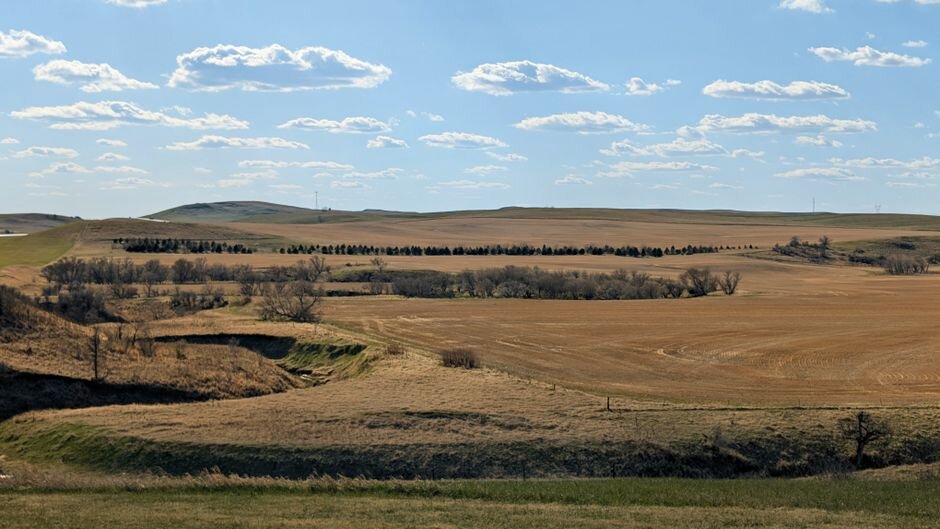
Access to municipal water and sewer, or the ability to install a well and septic system, dramatically affects what a parcel is actually worth to a builder or investor. A lot requiring extensive utility extension can cost tens of thousands of dollars before a single foundation is poured, and that cost gets factored directly into whatever offer a serious buyer makes.
Perc tests, which determine whether soil can support a septic system, are a genuine make-or-break factor for land without access to municipal sewer. A parcel that fails a perc test can lose significant value overnight, since it may not be buildable at all without an expensive engineered septic solution.
Flood Zones and Wetlands
Jacksonville’s flood zones and wetland areas significantly affect both buildability and insurance costs, and a parcel partially or fully within a wetland boundary may face serious restrictions on development, sometimes losing most of its buildable value even though the raw acreage number looks the same on paper.
Wetland designations can also change over time as regulations evolve, meaning a parcel that was fully buildable a decade ago might carry new restrictions today, or vice versa. Checking current designations rather than relying on old information is a step worth taking before assuming a parcel’s development potential hasn’t changed.
Buyers doing real due diligence check FEMA flood maps and state wetland delineations before ever making a serious offer, and sellers who understand their own parcel’s status walk into negotiations from a position of genuine strength rather than getting surprised mid-negotiation.
Road Frontage and Access
A parcel with direct frontage on a maintained public road is worth meaningfully more than a landlocked parcel requiring an easement across someone else’s property to reach it. Easement access, especially informal or undocumented arrangements, introduces real legal risk that sophisticated buyers price into their offers, sometimes quite heavily.
Even a documented, recorded easement can carry complications if it doesn’t clearly specify maintenance responsibility or width sufficient for emergency vehicle access, details a title search should catch but that a casual seller might never think to check before listing.
Comparable Sales Are Harder to Find for Land
Unlike houses, land sales are less frequent and less standardized, making true comparables genuinely harder to locate. Buyers often have to look further afield, or adjust more heavily for differences, than they would with a residential comp, which is part of why land pricing can feel more like a negotiation than a formula.
This lack of clean comparables also means two genuinely similar parcels can sell for noticeably different prices simply because one seller was more patient, or one buyer had a more specific use case in mind that made a particular parcel worth more to them personally than the general market would suggest.
Timberland and Agricultural Considerations
Larger parcels with existing timber value or agricultural use carry their own separate valuation approach entirely, sometimes assessed for the standing timber’s worth, sometimes for continued agricultural income potential rather than development value at all. If your land falls into this category, it’s worth getting a specialized appraisal rather than assuming standard residential land valuation methods apply the same way.
Why a Direct Buyer Can Move Faster
Because most traditional lenders are hesitant to finance raw land at all, cash buyers make up a disproportionate share of the actual land market. We evaluate zoning, utilities, flood risk, and access directly, and can close on land in Jacksonville considerably faster than waiting for financing that may not even be available for a given parcel.
This matters especially for land that’s been sitting unsold for years, since every additional month it sits is another month of property taxes and, potentially, code enforcement attention if the lot isn’t being maintained. A direct sale ends that ongoing carrying cost immediately rather than letting it accumulate while waiting on a traditional buyer who may never materialize.
Checking the Public Record Yourself
The Duval County Property Appraiser and title work through the American Land Title Association’s consumer resources can help you understand your parcel’s actual standing, assessed value, easements, and title history, before you ever discuss a number with a buyer. A few minutes spent on this homework upfront often prevents a much longer, more frustrating negotiation later once a buyer’s own due diligence turns up something you didn’t already know about your own land.
Ready to Get a Real Number?
Whether it’s a single inherited lot or land you’ve held for years without a clear plan, we’ll evaluate it honestly against the factors that actually drive value, zoning, utilities, flood risk, and access, and give you a straightforward offer, no obligation attached and no pressure to accept it on any particular timeline.