
Vacant land looks simple on paper, an empty lot with a certain number of acres or square footage, but zoning is exactly what determines what a buyer can actually do with that land, and it’s frequently the single biggest factor in whether a parcel sells quickly or sits for years. Zoning issues that affect land sales in Jacksonville come up constantly, and understanding the basics before you list helps you set realistic expectations and avoid a frustrating string of buyers who walk away once they learn what’s actually allowed.
I’ve sold plenty of vacant lots over the years, and the pattern is consistent, sellers who understand their land’s zoning going in have a much smoother process than those who list first and field zoning questions later, one confused buyer at a time.
What Zoning Actually Controls
Zoning designates what a specific parcel can legally be used for, residential, commercial, agricultural, industrial, and often further restricts details within that use, minimum lot size, setbacks from property lines, height restrictions, and density, how many units can be built on the land. A buyer interested in building a single-family home needs residential zoning permitting that use, and a buyer hoping to build multiple units or run a business needs an entirely different designation.
This means two lots that look identical from the street, same size, same general location, can have completely different values and completely different buyer pools depending purely on their zoning designation. Land isn’t a commodity the way it can feel like from the outside, its actual usability is defined entirely by what the zoning code allows.
Why Buyers Walk Away Over Zoning Surprises
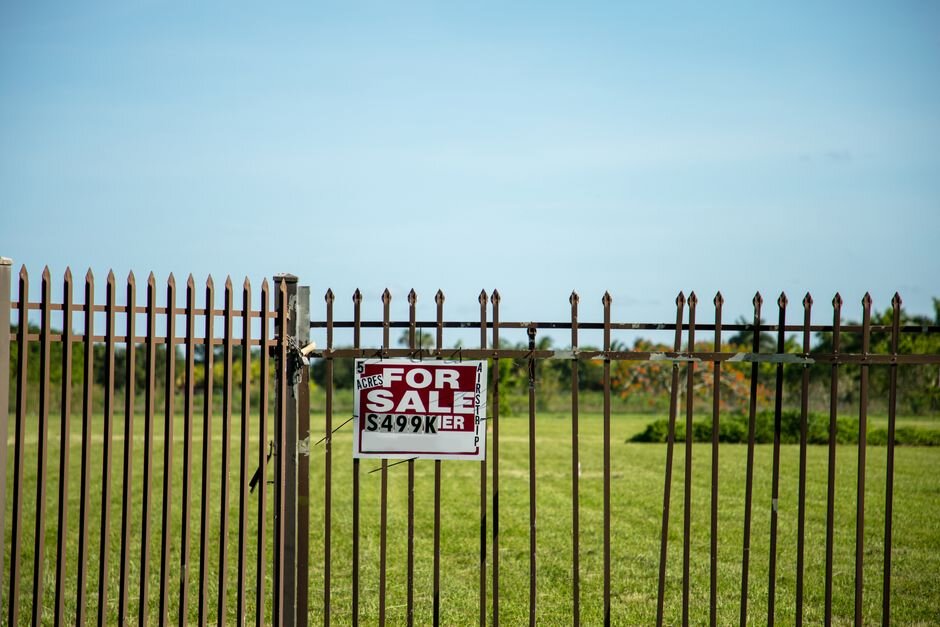
A buyer who assumes vacant land can be used however they’d like, then discovers the zoning doesn’t permit their intended use, a mobile home on land zoned to prohibit them, a duplex on a lot zoned strictly single-family, will typically walk away from the purchase entirely rather than pursue a rezoning process that’s neither quick nor guaranteed to succeed. This is one of the most common reasons a land sale falls apart late, after both sides thought the deal was essentially done.
Setbacks and easements create similar surprises. A lot that looks like it has plenty of room can have such significant required setbacks from property lines, or an easement running through the buildable area, that the actual usable footprint is considerably smaller than the total lot size suggests. Buyers who don’t check this upfront sometimes discover it only after already picturing a specific building placement, and that disappointment usually ends the transaction.
Landlocked Parcels and Access Issues
Beyond zoning designation itself, legal access matters enormously, a landlocked parcel with no recorded easement providing road access is a genuinely difficult sell regardless of how favorable its zoning otherwise looks, since most buyers and nearly all lenders require confirmed legal access before a purchase or construction loan can move forward. Establishing access after the fact, negotiating an easement with a neighboring property owner, can take real time and isn’t guaranteed to succeed.
Checking access status alongside zoning designation before listing land gives you a complete, accurate picture rather than discovering this specific complication mid-negotiation with an already-interested buyer.
Rezoning: Possible, But Not Quick or Guaranteed
Rezoning a parcel to a different designation is possible in many cases, but it requires a formal application, public hearings, and approval from local government, a process that commonly takes several months to a year or longer, with no guarantee of approval regardless of how reasonable the request seems to the applicant. Neighboring property owners can also formally object during the public hearing process, adding uncertainty even for requests that seem straightforward on paper.
Some buyers are willing to purchase land contingent on a successful rezoning, but this shifts real risk and timeline uncertainty onto the transaction itself, and plenty of sellers with an urgent timeline aren’t in a position to wait out a rezoning process before finding out whether the sale will actually happen.
Agricultural and Conservation Zoning Come with Their Own Rules
A meaningful share of vacant land around Jacksonville falls under agricultural or conservation-related designations, which come with their own specific restrictions beyond typical residential or commercial zoning, limits on impervious surface, wetland buffer requirements, and sometimes outright prohibitions on certain types of development regardless of what a buyer might want to build. These designations exist for genuinely important environmental reasons, protecting wetlands, managing stormwater, preserving agricultural use, but they meaningfully narrow the pool of buyers interested in that specific parcel.
Wetland determinations in particular can surprise sellers who’ve owned a parcel for years without realizing part of it falls under protected wetland status, since these determinations sometimes get updated or reassessed independently of anything the owner did. A buyer’s due diligence process will typically uncover this regardless, so it’s better for a seller to know this upfront and price accordingly rather than have a buyer walk away mid-negotiation over a surprise wetland finding.
How This Affects Pricing and the Realistic Buyer Pool
Zoning restrictions don’t just affect whether a sale happens, they directly affect what a realistic price actually looks like. A parcel zoned for a wide range of uses, with clean access and no wetland complications, commands a genuinely different price than an otherwise similar parcel with significant restrictions, even if the raw acreage is identical. Pricing land as though it were unrestricted, when it isn’t, simply produces a listing that sits unsold while buyers who actually investigate the zoning move on to other options.
House Buyer Joe evaluates land based on its actual, current zoning and access reality rather than a generic per-acre assumption, which means the offer reflects what the land can genuinely be used for today, not an optimistic guess about what it might become through a rezoning process that could take a year or longer with no guaranteed outcome.
Why This Makes Land Genuinely Harder to Sell Than Houses
A house’s value and usability are relatively fixed once built, but land’s value depends entirely on what can legally be done with it, which means land sales involve more due diligence, more buyer uncertainty, and considerably more deals falling through over zoning and access issues than a comparable house sale typically faces. This is exactly why vacant land often sits on the market considerably longer than developed property, even when priced reasonably.
House Buyer Joe buys vacant land in Jacksonville directly, evaluating the actual zoning, access, and any restrictions honestly as part of a fair cash offer, rather than requiring a seller to resolve zoning uncertainty or secure access before a sale can happen. This removes the exact uncertainty that causes so many traditional land sales to stall or collapse.
Inherited Land Often Carries the Most Uncertainty
Land inherited from a parent or relative who purchased it decades ago is especially prone to zoning surprises, since heirs frequently have no idea what the current designation actually permits, or whether it’s changed since the original purchase. A family that’s held onto raw land for a generation, assuming it’s simply appreciating in value the whole time, sometimes discovers upon finally deciding to sell that the parcel’s zoning has shifted, a wetland determination has been added, or the surrounding area’s development has changed what’s practically buildable.
This is exactly the kind of situation where getting an honest, current answer before listing saves real time, rather than listing at a price based on decades-old assumptions and then fielding buyer questions about restrictions nobody in the family was aware of.
A Necessary Note on Verifying Zoning Yourself
Zoning designations and specific restrictions are a matter of public record, and confirming your land’s actual current zoning, rather than relying on assumptions from when it was purchased or what a neighbor mentioned, is worth doing directly through the county before listing. Zoning can change over time even without the owner initiating anything, and a designation that applied years ago may not reflect the parcel’s current status.
Where to Check Zoning and Land Records
The City of Jacksonville Planning and Development Department maintains current zoning designations and can confirm a parcel’s actual status, and the EPA’s land use resources offer general background on how zoning and environmental considerations interact for undeveloped parcels.
An Honest Take on Land Investing
Here’s an opinion worth stating plainly: plenty of people buy vacant land assuming it’ll appreciate and sell itself eventually, without ever confirming what can actually be built on it, and that’s a genuinely risky way to hold an investment. Land without clear, confirmed usability sits, sometimes for years, regardless of how reasonable the price looks on paper.
This applies just as much to sellers as buyers, holding onto land you’re not actively using, without understanding its actual zoning and restrictions, means you can’t accurately judge whether now is a good time to sell or whether you’re sitting on a parcel with real limitations you haven’t fully accounted for yet.
Ready to Sell Your Land, Zoning Complications and All?
Reach out for a straightforward cash offer on your Jacksonville land, whatever its current zoning, access situation, or restrictions actually look like, no obligation attached.